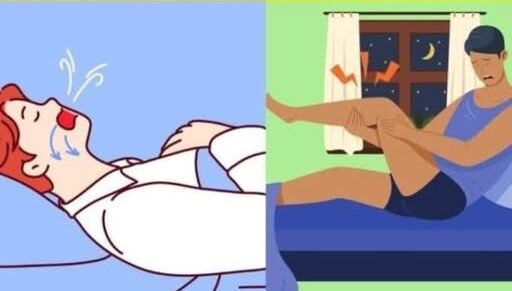
Night sweats can also be connected to blood sugar changes, particularly when blood sugar drops during sleep. This is known as nocturnal hypoglycemia. Sweating may appear along with trembling, hunger, confusion, weakness, blurred vision, shakiness, or heart palpitations.
Low blood sugar can be especially disruptive because the body still needs a steady supply of energy overnight. If symptoms like sweating, shaking, or confusion happen repeatedly during sleep, they should not be brushed off.
Some people with blood sugar problems may also experience restless legs syndrome. This can cause an uncomfortable urge to move the legs, sometimes with tingling, aching, or crawling sensations. Over time, high blood sugar can affect nerves, which may contribute to these sensations.
How Blood Sugar Can Affect Sleep Quality
Diabetes and sleep problems can overlap in several ways. High blood sugar may lead to frequent urination, while low blood sugar may cause sweating, trembling, or restlessness. Both can interrupt sleep and leave a person feeling worn down the next day.
Sleep apnea is another condition that may be seen in people with diabetes risk factors. It causes repeated pauses in breathing during sleep, often leading to daytime tiredness even after a full night in bed. Obesity and insulin resistance may both play a role in the connection between sleep apnea and diabetes.
Fatigue after sleeping can also be tied to the way the body uses glucose. When insulin is not working effectively, cells may not receive enough glucose for energy. The result can be ongoing weakness, low energy, or a drained feeling that does not improve with rest.
Dry mouth, also called xerostomia, can make sleep worse as well. High blood sugar may reduce saliva production, leaving the mouth dry even when someone is drinking fluids. Good hydration and oral care can help comfort, but persistent dry mouth should be checked by a medical professional.
What Readers Should Know
Some signs of blood sugar problems may appear outside of sleep hours too. Dark, velvety patches of skin on the neck, armpits, or groin may be associated with prediabetes. Other possible warning signs include unintentional weight loss, blurred vision, slow-healing wounds, itchy skin, tingling, numbness, or unusual skin bumps.
The important point is pattern, not panic. A single rough night or occasional thirst does not automatically mean diabetes. But repeated nighttime urination, strong thirst, sweating, fatigue, dry mouth, sleep disruption, or nerve-like sensations deserve attention, especially when more than one symptom appears together.
A routine medical check-up can help determine whether blood sugar is involved and what steps may be appropriate. Paying attention to what happens at night may offer an early clue that the body needs care during the day.