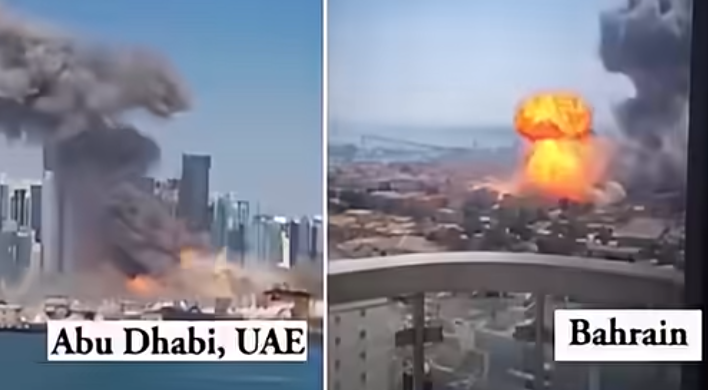
In Kuwait, air defense systems were reportedly activated to intercept incoming threats near Ali Al Salem Airbase, a facility used by U.S. forces. The reported attacks prompted emergency measures, including airspace closures and shelter-in-place instructions for civilians in affected areas.
Those measures matter beyond the immediate military picture. Airspace restrictions in the Gulf can quickly disrupt passenger flights, cargo routes, airline schedules and travel insurance claims, especially for travelers connecting through major Middle East hubs.
The Strait of Hormuz Remains Central
At the heart of the confrontation is the Strait of Hormuz, one of the world’s most important maritime corridors for energy shipments. The original report says diplomacy had focused on maintaining safe passage through the waterway, but those talks had come under severe strain.
Iranian officials, according to the account, have taken a harder position on outside efforts affecting control of the strait. The United States, meanwhile, had reportedly carried out targeted strikes on Iranian military infrastructure, surveillance systems and drone storage sites after attacks on commercial vessels.
That cycle of action and retaliation is why the situation carries wider economic risk. Any prolonged disruption around the Strait of Hormuz can affect oil shipping, fuel prices, marine insurance costs, freight contracts and the operating expenses of companies that depend on stable global supply chains.
What Happens Next
The original report says possible talks in Qatar were being discussed as of June 29, 2026, though Iranian officials also denied that technical meetings were scheduled for the coming week. That uncertainty leaves the diplomatic path unclear.
For Gulf governments hosting U.S. military assets, the reported attacks raise immediate security questions. They also test long-standing defense partnerships with Washington at a time when regional leaders must balance military protection, economic stability, aviation safety and public confidence.
For civilians and travelers in the region, the practical advice from authorities remains the most important point: follow local safety instructions, monitor official updates and check directly with airlines or travel providers before making plans.
The next phase will depend on whether military leaders and diplomats can prevent another round of retaliation, or whether the Gulf faces a longer period of instability around one of the world’s most important trade routes.