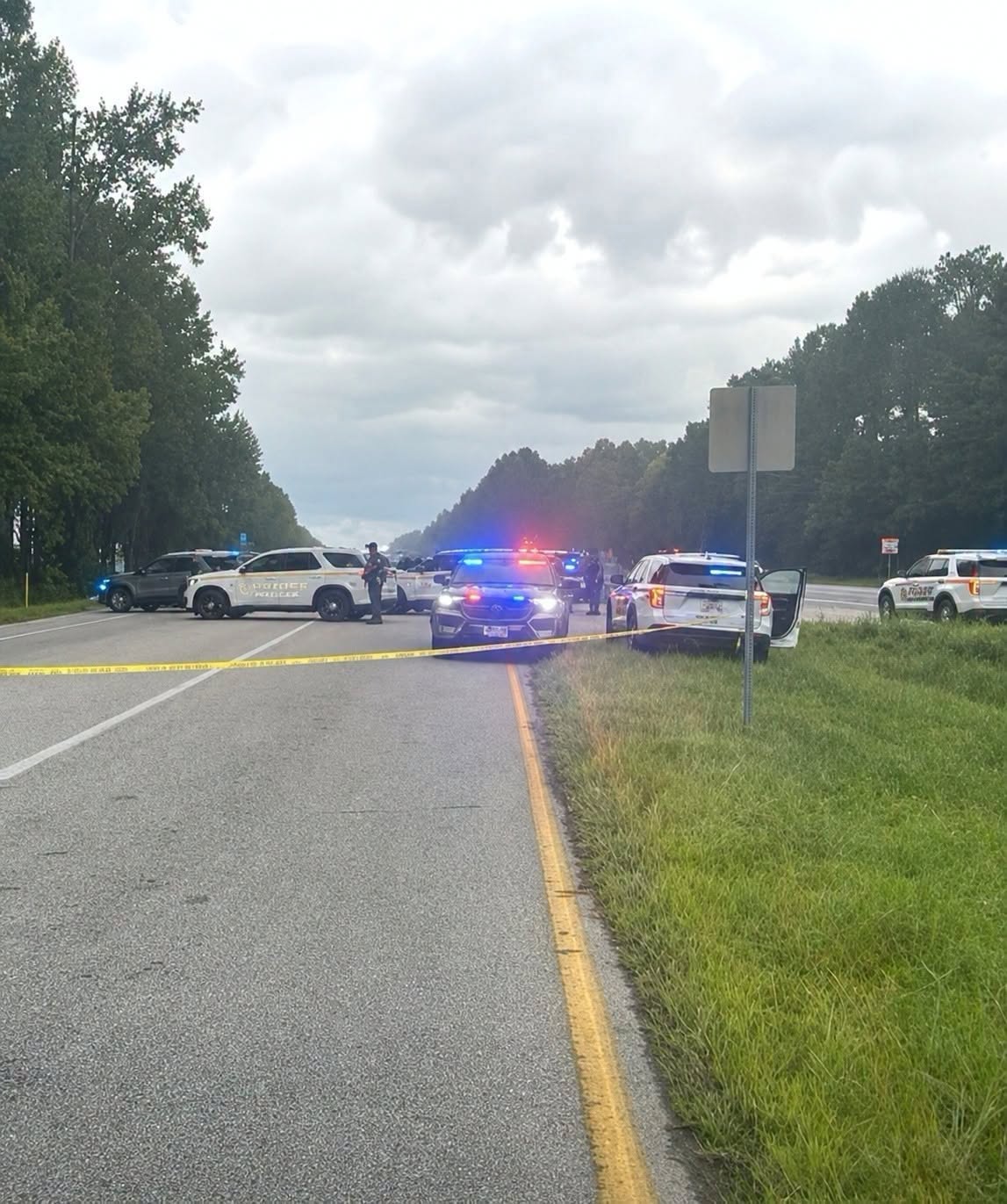
From outside the barricades, many of these situations can look almost identical. Several police vehicles, closed roads, and officers keeping people back may appear alarming, but those details alone do not prove what caused the response.
That is why it is risky to assume too much from a short video or a photograph. A visible police presence confirms that authorities are controlling access to an area. It does not, by itself, confirm a threat, a crime, an accident, or any specific explanation.
Officials also may not release every detail immediately. Responders may still be checking whether the area is safe, investigators may be gathering information, or agencies may be coordinating what can be shared publicly. A delay in information can be frustrating, but it does not automatically mean something is being hidden.
What Residents Should Check First
If barricades appear near your home, school, commute, or business, the most useful question is not “what does social media say?” It is “what has been confirmed?”
Start with the basics. Look for the exact street or neighborhood affected, the time the information was published, and whether the update comes from a police department, fire service, transportation agency, school district, local authority, or a reputable news organization citing official sources.
Those details can make a major difference. A road closure on one block may not affect the next neighborhood. A warning posted hours earlier may no longer apply. A photo shared without a location may be from another city entirely.
Practical updates are often more important than dramatic claims. Residents may need to know whether buses are being diverted, whether school routes are affected, whether nearby businesses are closed, or whether drivers should avoid certain roads. For local businesses, even a temporary closure can disrupt deliveries, appointments, and customer access.
Families may also need clear information quickly. Parents may be trying to decide whether to keep children indoors, change school pickup plans, or avoid a normal walking route. In those moments, verified instructions matter far more than speculation.
How to Stay Safe Without Spreading Panic
The safest response to a police cordon is simple: stay outside the restricted area and follow official instructions. Even if a scene appears calm, hazards may not be visible from the sidewalk. There may be unstable structures, exposed utilities, emergency vehicles needing access, or evidence that must not be disturbed.
Do not cross barricades for a better view or a photo. Doing so can put bystanders at risk and may interfere with responders who are trying to manage the situation.
It is also wise to be careful about what you share. Before reposting an emergency warning, ask whether it includes a confirmed location, a current time or date, and a credible source. If it does not, treat it as unverified.
A responsible update might say, “Police have closed several streets in the area while emergency services respond.” A claim that the area has been sealed because of a specific danger requires confirmation. The difference matters.
During an unclear emergency, caution is useful. Panic is not. If officials issue an evacuation order, shelter instruction, or road-avoidance notice, take it seriously. But if a viral post offers no source and no specific details, do not treat its most alarming claims as fact.
Police barricades are meant to keep people back while authorities handle something that requires control, safety, or investigation. Until confirmed details are released, the smartest approach is to stay clear, check official updates, and avoid helping rumors travel faster than the facts.
When emergency lights appear in a familiar place, the most valuable information is not always the loudest claim — it is the update that is specific, timely, and verified.