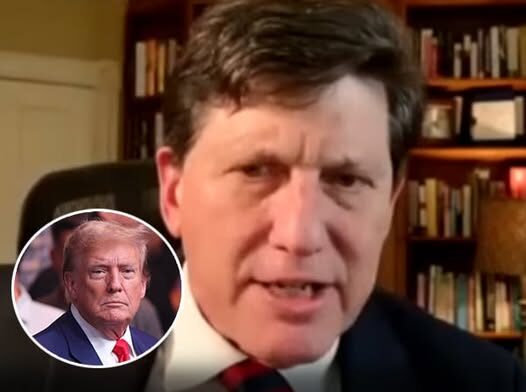
The Most Explosive Part of the Warning: Military Authority and Nuclear Risk
The most controversial element of Gartner’s message centers on the scope of modern presidential power. He emphasized that today’s U.S. president has access to capabilities no historical ruler ever had, including command authority over the American military and the nuclear arsenal.
That context is why one line from Gartner’s remarks spread rapidly online: his argument that a modern leader, if unstable and empowered, could theoretically cause destruction on a scale that exceeds even the worst atrocities of the past. The statement was widely criticized for its extreme framing, even by some who agree that mental fitness should be discussed more openly.
Supporters of Gartner’s position say the point was not to make a literal prediction, but to underline a sobering reality: in the modern era, the consequences of poor judgment at the highest level can be global and immediate.
The Ethical Fight: Can Mental Health Experts Comment From a Distance?
This controversy has also revived a long-running dispute within the mental health community: whether professionals should publicly evaluate powerful public figures without a direct clinical examination.
- One side argues that remote diagnosis is unethical, unfair, and harmful—especially when it can be perceived as partisan.
- The other side argues there is a moral duty to speak up when behavior appears alarming, particularly when public safety and national security could be affected.
Gartner aligns with the latter view, arguing that silence can become its own form of risk when a leader’s behavior raises red flags in front of millions of people.
Politics, Public Anxiety, and the Growing Focus on Cognitive Health
Trump’s supporters have dismissed Gartner’s warning as politically motivated, calling it an attack disguised as clinical concern. Meanwhile, critics of Gartner say this type of psychological speculation is becoming a regular feature of modern campaigns—one that may deepen division and distract from policy debates.
Still, the uproar reflects a broader national anxiety that goes well beyond one candidate. Across American politics, voters have become increasingly focused on age, mental sharpness, temperament, and the ability to handle the pressures of office. Every verbal slip, unscripted moment, and online post is now scrutinized like never before—especially for anyone seeking the presidency.
The Bigger Question Voters Keep Returning To
At the heart of this debate is a difficult but unavoidable issue: how much should psychological stability and cognitive fitness matter when the job includes enormous authority—including decisions that can shape wars, alliances, and the safety of millions?
For some Americans, Gartner’s warning is an uncomfortable but necessary conversation about accountability in leadership. For others, it represents a dangerous trend of turning mental health language into a political tool.
Either way, the controversy is unlikely to fade soon—because the underlying concern remains: in an era of unprecedented presidential power, voters are asking not only what leaders promise to do, but whether they have the judgment and stability to do it safely.
What do you think? Should mental and cognitive fitness be discussed more openly in presidential campaigns, or does it cross a line? Share your perspective in the comments—and if you found this breakdown useful, follow for more clear, fact-focused political analysis.