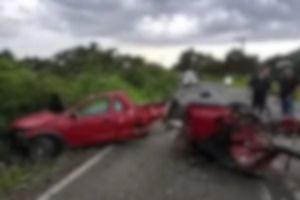
Emergency crews secured the scene, treated victims, and transported the injured for further care. In a dense city environment like Manhattan, incidents involving vehicles and pedestrians can create immediate safety challenges for first responders, traffic control teams, and nearby businesses.
What Investigators Are Looking At
Authorities are still working to determine why the vehicle left the roadway. Investigators are expected to review surveillance footage, inspect the vehicle, and speak with witnesses who saw what happened.
They may also examine whether a medical issue, mechanical failure, impairment, distraction, or another factor played a role. Officials have urged the public not to jump to conclusions while the investigation remains active.
In serious crashes, the final findings can also affect broader questions involving transportation safety, insurance claims, liability, and possible changes to how high-foot-traffic areas are protected. Those issues often take time to sort through and depend on verified evidence.
Why This Matters
The loss is most immediate for the families of those who died and for the people now recovering from serious injuries. Witnesses and first responders may also carry the emotional weight of what they saw long after the scene is cleared.
For New Yorkers, the incident is a painful reminder of how vulnerable pedestrians can be in crowded urban spaces. Cities often review traffic patterns, street barriers, crosswalk design, and emergency access after major incidents, especially in areas where vehicles and heavy foot traffic are close together.
For now, the focus remains on the victims, their families, and the ongoing investigation. As more confirmed information becomes available, it may help explain what happened and whether additional safety measures should be considered.
What should cities prioritize when protecting crowded pedestrian areas? It is a question worth thinking about carefully and respectfully.