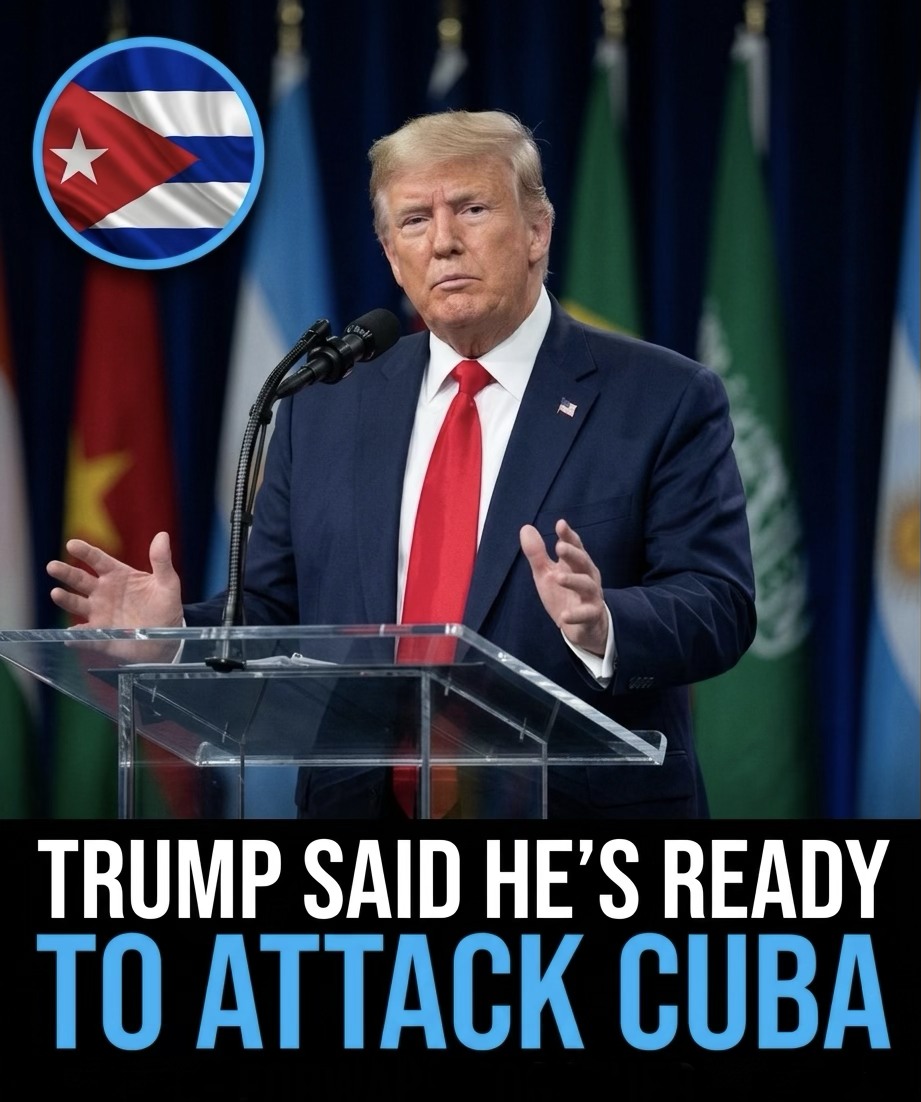
Recent reports and political commentary surrounding possible U.S. military action toward Cuba are generating growing international concern. While officials have denied that any immediate intervention is planned, discussions about heightened pressure on Cuba have continued to fuel debate around foreign policy, national security, and global stability.
For many observers, the situation reflects a broader pattern in global geopolitics, where one international crisis quickly follows another. From tensions involving Venezuela and Iran to renewed focus on Cuba, each development appears to dominate headlines while major domestic issues and ongoing political debates receive less public attention.
Critics argue that a military confrontation with Cuba would not demonstrate long-term strategic strength. Instead, it could increase instability across the region, create additional humanitarian and economic challenges, and deepen divisions in international relations. Discussions around conflict escalation also raise concerns about financial markets, global trade, energy security, and investment uncertainty — all topics closely watched by business leaders and economic analysts.
The broader conversation also touches on key questions about government accountability, defense policy, and media attention. Why do international conflicts often overshadow domestic concerns? Who benefits politically or economically during periods of heightened global tension? And how can governments maintain transparency and public trust during moments of geopolitical uncertainty?
As debates continue, many analysts believe diplomacy, economic cooperation, and strategic stability should remain the priority. Cuba’s future, they argue, should be shaped through dialogue and international engagement rather than another cycle of conflict and escalation.