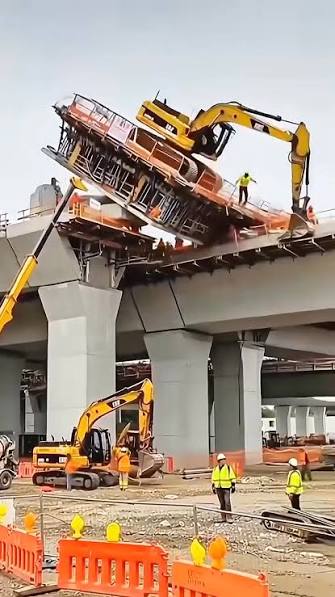
The incident also serves as a reminder that infrastructure is not a one-time investment. Roads age under constant use, weather exposure, heavy vehicles, and natural wear. Regular inspections and preventive repairs are often less disruptive than emergency closures after a problem becomes visible.
Several commuters described the situation as unsettling, while also noting the quick response from emergency personnel. Their reaction reflects a common concern: most drivers rely on these systems every day but rarely think about the engineering and maintenance required to keep them safe.
What Happens Next
Transportation officials and engineering teams are expected to review the roadway conditions and look for contributing factors. These types of assessments typically help agencies decide whether immediate repairs are needed, whether nearby sections should be inspected, and how traffic should be managed while work continues.
Officials have encouraged drivers to follow traffic advisories and use alternate routes where possible. Until engineers complete their review, closures and detours may remain part of the response to protect the public and allow crews to work safely.
The Bigger Picture
Incidents like this often renew attention on infrastructure funding and long-term planning. Maintenance needs can compete with other public priorities, but delays in repairs may increase costs later and create greater risks for drivers.
For residents, the key takeaway is practical: stay alert to roadway warnings, respect closures, and pay attention to official travel updates. For communities, the larger question is how to keep critical transportation networks reliable before small warning signs become major disruptions.
As the review continues, the incident leaves many drivers thinking more carefully about the roads they use every day.