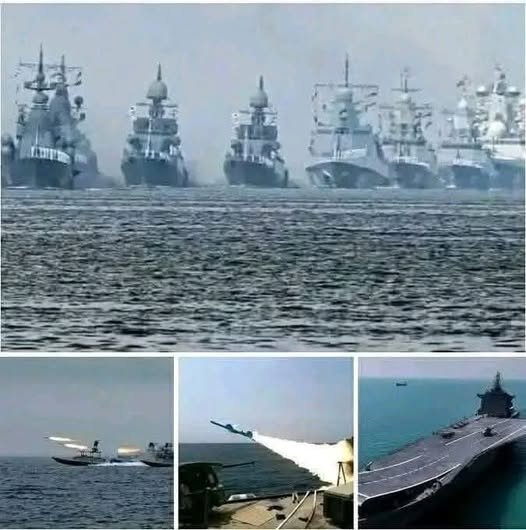
Backchannel Diplomacy Still Exists—And It’s a Big Deal
One of the least discussed realities of modern geopolitics is how often governments use discreet meetings and indirect talks to manage crises. These discussions don’t always produce instant breakthroughs, but they can help set boundaries, clarify red lines, and prevent small incidents from spiraling into a larger military confrontation.
That’s why diplomacy isn’t just “politics.” It’s a practical tool of risk management—the kind that can keep regional conflict from turning into something far worse.
How War Has Changed: Hybrid Warfare, Cyberattacks, and Proxy Conflicts
Many people imagine war starting with a formal declaration and armies moving across borders. In today’s world, conflict often arrives in quieter forms:
- Cyber warfare targeting power grids, banking systems, hospitals, and supply chains
- Proxy conflicts where states support partners rather than fight directly
- Economic warfare through sanctions, export controls, and financial restrictions
- Information warfare using propaganda, disinformation, and influence campaigns
This is frequently called hybrid warfare or “grey-zone conflict.” It allows governments to apply pressure and gain leverage without triggering the legal and political consequences of an official war.
Why Misinformation Spreads Faster During Global Tensions
Because modern conflict is often ambiguous, it creates the perfect environment for rumors and sensational claims. Online, routine events—like military exercises, diplomatic statements, or localized clashes—can be repackaged as “proof” that a global conflict is inevitable.
The problem isn’t just confusion. Constant panic content can produce real-world harm by driving:
- Public anxiety and fear-based decision-making
- Distrust in institutions and credible journalism
- Polarization that makes rational debate harder
In an algorithm-driven media environment, outrage and alarm travel farther than context. That’s why media literacy is no longer optional—it’s a form of civic resilience.
The Pentagon’s Focus: Integrated Deterrence and National Security
U.S. defense planning increasingly revolves around integrated deterrence—a strategy that combines military strength with alliances, economic tools, and technological advantages. The goal is straightforward: make the cost of open aggression so high that adversaries think twice.
Deterrence today isn’t only about ships, aircraft, and troops. It also includes:
- Cyber defense and critical infrastructure protection
- Space-based security tied to satellites and communications
- Financial security and supply chain resilience
- Allied coordination across NATO and other partnerships
This approach doesn’t eliminate conflict—but it raises the threshold for a direct clash between major powers.
So, Is the World on the Edge of a Global War?
The more accurate picture is not “inevitable world war,” but an ongoing era of intense competition where nations test limits, signal strength, and negotiate advantages. The headlines may sound apocalyptic, yet much of what’s happening is a controlled balancing act—messy, tense, and serious, but not automatically a countdown to global catastrophe.
The best response for everyday readers is not denial or doomscrolling. It’s informed vigilance: follow credible reporting, question viral claims, and separate emotional narratives from verifiable facts.
Closing CTA
If you found this breakdown helpful, share it with someone who’s overwhelmed by the headlines—and leave a comment with the topic you want explained next (Ukraine, cyber warfare, NATO, or global economic sanctions).