- A specific dollar amount that sounds precise enough to feel “sourced.”
- A familiar political flashpoint (the Affordable Care Act and its legacy).
- A high-profile target whose name guarantees instant national debate.
Outrage moves faster than investigations
In today’s media environment, the court of public opinion often moves at a different speed than the courts, inspectors general, or ethics reviews. A forceful statement—especially one delivered in measured, legal-sounding language—can create an impression of certainty long before the public sees supporting evidence.
That dynamic matters here. Once a claim is widely shared, the conversation tends to split into two tracks: one side demands immediate consequences, while the other demands immediate proof. In many cases, the debate becomes less about what can be demonstrated and more about which narrative feels believable to a particular audience.
What’s actually being debated
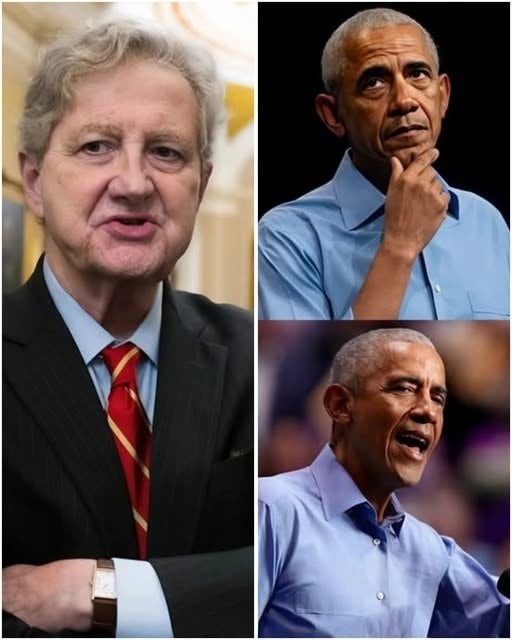
Much of the current discussion revolves around how such a large sum could be connected to policy outcomes—through speaking fees, book deals, consulting arrangements, nonprofit relationships, corporate ties, or other post-office income channels that frequently become political talking points. Kennedy has hinted at complicated connections involving private-sector interests affected by the ACA, but the public conversation has outpaced the release of verifiable, itemized details.
That gap—between a dramatic allegation and publicly available documentation—is exactly where political narratives tend to grow. When specifics are limited, people fill in the blanks with existing beliefs about Washington, lobbying, and “big money” influence.
Response and pushback
Those aligned with the former president have dismissed the demand as political theater and headline-chasing. Others warn that turning accusations into viral moments—without presenting evidence upfront—can lower the standard of public discourse and make it harder for any figure, regardless of party, to escape suspicion once a claim is amplified.
Meanwhile, analysts note the timing: as election messaging ramps up, revisiting Obama-era battles can energize core supporters and force opponents to defend the past rather than debate current issues like healthcare costs, insurance premiums, and access to care.
What happens next
The next phase is straightforward: pressure will build for receipts. If Kennedy or allied investigators provide clear documentation—timelines, payment trails, contracts, or official findings—the story could shift from political commentary to a more formal ethics and compliance debate. If not, the claim may remain a media flashpoint that fuels polarization without producing a definitive outcome.
Either way, the episode highlights a broader issue Americans keep returning to: how to ensure transparency and ethical boundaries for public officials before, during, and after they hold power.
What do you think? Should claims like this require evidence to be published immediately, or is raising the question itself part of oversight? Share your take in the comments, and if you want more updates on U.S. politics, government accountability, and breaking policy debates, consider subscribing or bookmarking this page.