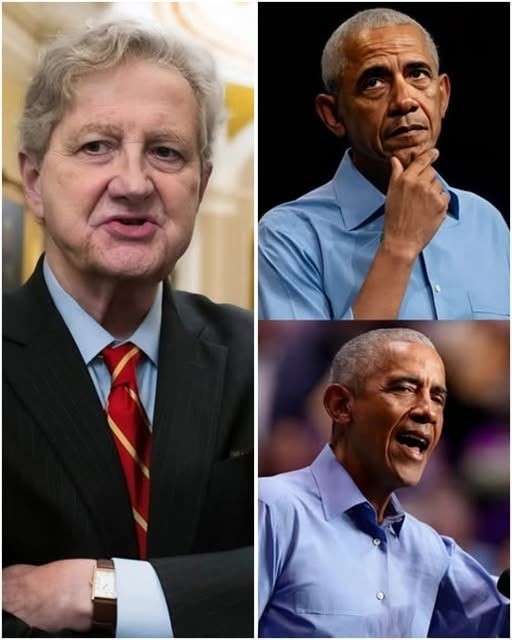
What Kennedy is implying—and what remains unclear
At the center of the controversy is Kennedy’s suggestion that financial pathways connected to private-sector interests may have benefited from the Affordable Care Act, and that those connections somehow relate to the former president. So far, the public discussion has outpaced the available detail, leaving many unanswered questions about:
- What specific transactions the $120 million figure refers to
- Which entities were allegedly involved
- What documentation supports the claim
- Whether any laws or ethics rules were violated
That lack of clarity is part of what makes the story combustible. When the public is given a dramatic allegation without complete context, people tend to fill in the blanks with their existing beliefs about Washington, lobbying, and corporate power.
Response from Obama’s side
Former President Obama’s camp has dismissed the demand as political theater, arguing that it’s designed to generate headlines rather than establish facts. But in a fast-moving news cycle, a denial—especially a brief one—doesn’t always stop a narrative from spreading. The longer the debate continues without a detailed, document-based rebuttal or a clear evidentiary presentation from Kennedy, the more the story risks hardening into competing partisan storylines rather than a shared set of verified facts.
The bigger issue: post-presidency money and public trust
Beyond the personalities involved, the controversy is reigniting a broader question that comes up repeatedly in American politics: how public officials transition into private life after holding power. Book deals, speaking fees, consulting arrangements, and nonprofit fundraising are all legal in many cases—but the optics can still create suspicion, especially when the public feels the system favors insiders.
That’s why this moment is resonating. Whether Kennedy’s allegation is ultimately supported or undermined, it’s pushing voters back into a familiar argument about transparency in government and whether current rules are strong enough to protect the public from conflicts of interest.
What happens next
As attention grows, pressure will likely increase on Kennedy to provide clear, verifiable evidence—documents, timelines, and specific links that explain how the figure was calculated and why it should be repaid. If he produces credible proof, the story could escalate into formal inquiries and prolonged legal debate. If he doesn’t, critics will argue the accusation was made to inflame the public and dominate the news cycle.
Either way, the episode shows how quickly modern politics can shift from policy discussion to high-stakes allegations—and how difficult it can be for the public to separate verified facts from viral narratives.
What do you think? Should public officials and former leaders face stricter financial transparency rules after leaving office—or are these claims too often used as political weapons? Share your take in the comments and follow for updates as this story develops.