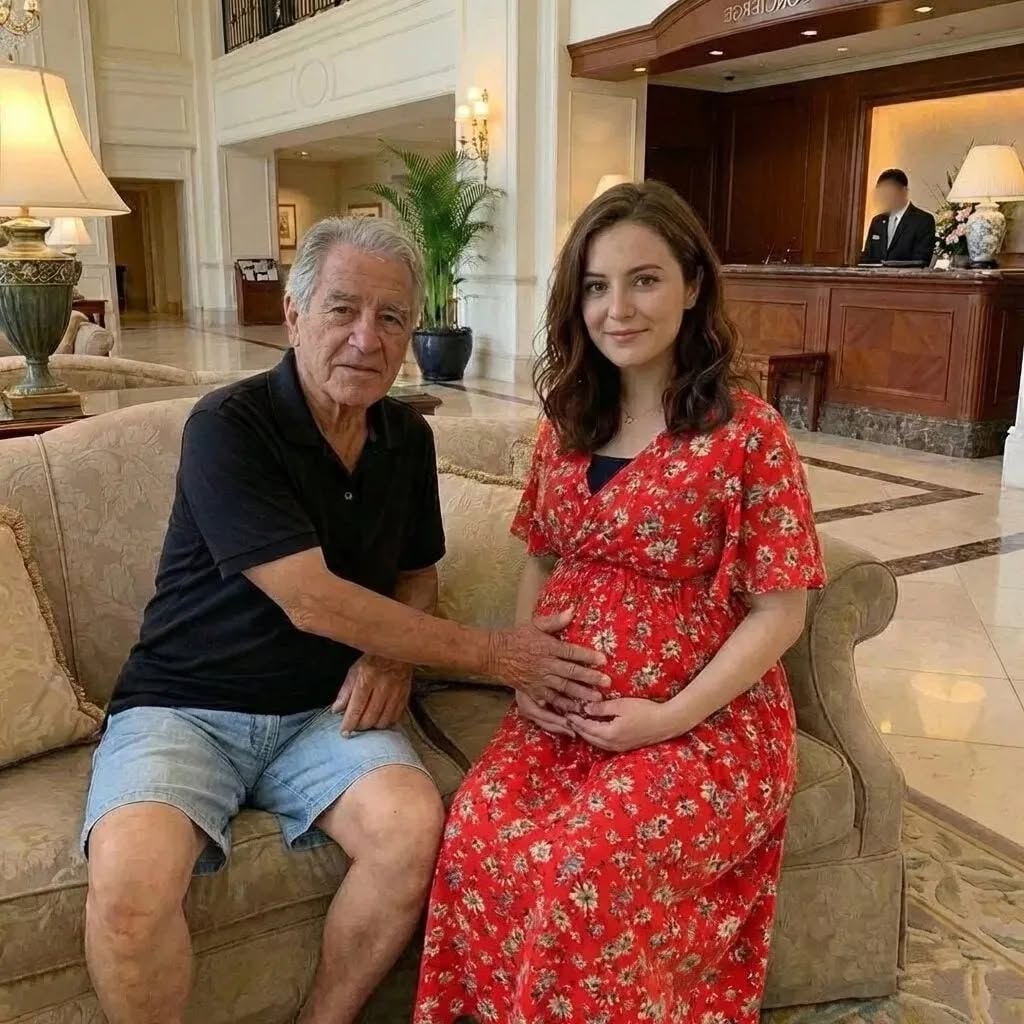
But Yuki did not have a simple explanation. What drew her to Kenji was not glamour, status, or the kind of romance other people expected her to want. It was something quieter.
In her everyday life, Yuki felt as if she were constantly performing. Her twenties had become a race measured by career progress, social comparison, appearance, ambition, and the pressure to look successful at all times. Every conversation seemed to carry a hidden scorecard.
Kenji did not ask her to compete. He did not measure her by her work, her image, or how impressive she seemed to others. In his home, cluttered and calm, she found a kind of acceptance she had not known how badly she needed.
That was what she could not explain to the people judging her. Kenji was not an escape from her life. He helped her see the parts of herself she had been burying beneath expectation.
What His Death Left Behind
His sudden death after only ten days of marriage felt impossible for Yuki to process. The life she had barely begun with him disappeared before it could take shape.
At first, grief filled every room. The world outside kept moving, but Yuki felt frozen inside a future that had been taken away almost as soon as it began. She was not only mourning Kenji. She was mourning the peace she had found with him.
Over time, though, the sharpest parts of that grief began to change. She started noticing the small traces of him left behind: handwritten notes tucked into corners of the kitchen, gardening gloves by the door, cookbooks worn from use and marked by time.
What once might have looked like clutter became evidence of a life lived with care. Those objects reminded her that love is not always measured by years. Sometimes it is measured by how fully someone is present while they are with you.
The Bigger Picture
Yuki’s brief marriage challenged the idea that a meaningful life must follow a familiar timeline. Many people around her believed success meant the right partner, the right career path, the right milestones, and the right public image.
Kenji showed her something different. He taught her to value stillness, patience, and the kind of attention that does not ask for applause. After losing him, she did not return to life exactly as it had been before.
She became more aware of small, ordinary moments: afternoon light on the floor, the scent of damp earth after rain, the comfort of silence that did not need to be filled. She stopped chasing the version of herself that looked best to others and began protecting the version that felt most honest.
Her friends may have expected her to move on by dating again or throwing herself back into the same old race. Instead, Yuki moved forward by carrying what Kenji had given her: gentleness, clarity, and the rare feeling of being seen without conditions.
In the end, her ten-day marriage did not make sense to everyone. It did not need to. For Yuki, it became proof that even a short chapter can change the way a person lives the rest of the story.
Some relationships are brief, but their meaning lingers long after the world stops asking questions.