A drama classroom became her safe zone—the one place where being “different” wasn’t a liability. On stage, she didn’t have to shrink. She could step into a character and let the intensity she’d spent years trying to hide become something useful. The nerves didn’t vanish; they transformed into focus.
Around the same time, she learned more about how her brain works, receiving insight that included ADHD and autistic traits. Instead of feeling like a label, it gave her clarity. She finally had language for experiences she’d been carrying alone for years—and a new understanding that her sensitivity, hyper-focus, and unique way of processing the world could actually be a strength.
Breaking Into the Industry—and Refusing to Be “Fixed”
Her talent eventually did what talent does when it meets opportunity: it broke through.
Major roles and critically praised performances pushed her into the global spotlight. Suddenly, she wasn’t just working—she was thriving in an industry where visibility is currency and screen presence can turn into real wealth. Her career became the kind people talk about in terms of big projects, major streaming hits, and serious awards buzz.
But success doesn’t always silence criticism—it sometimes amplifies it.
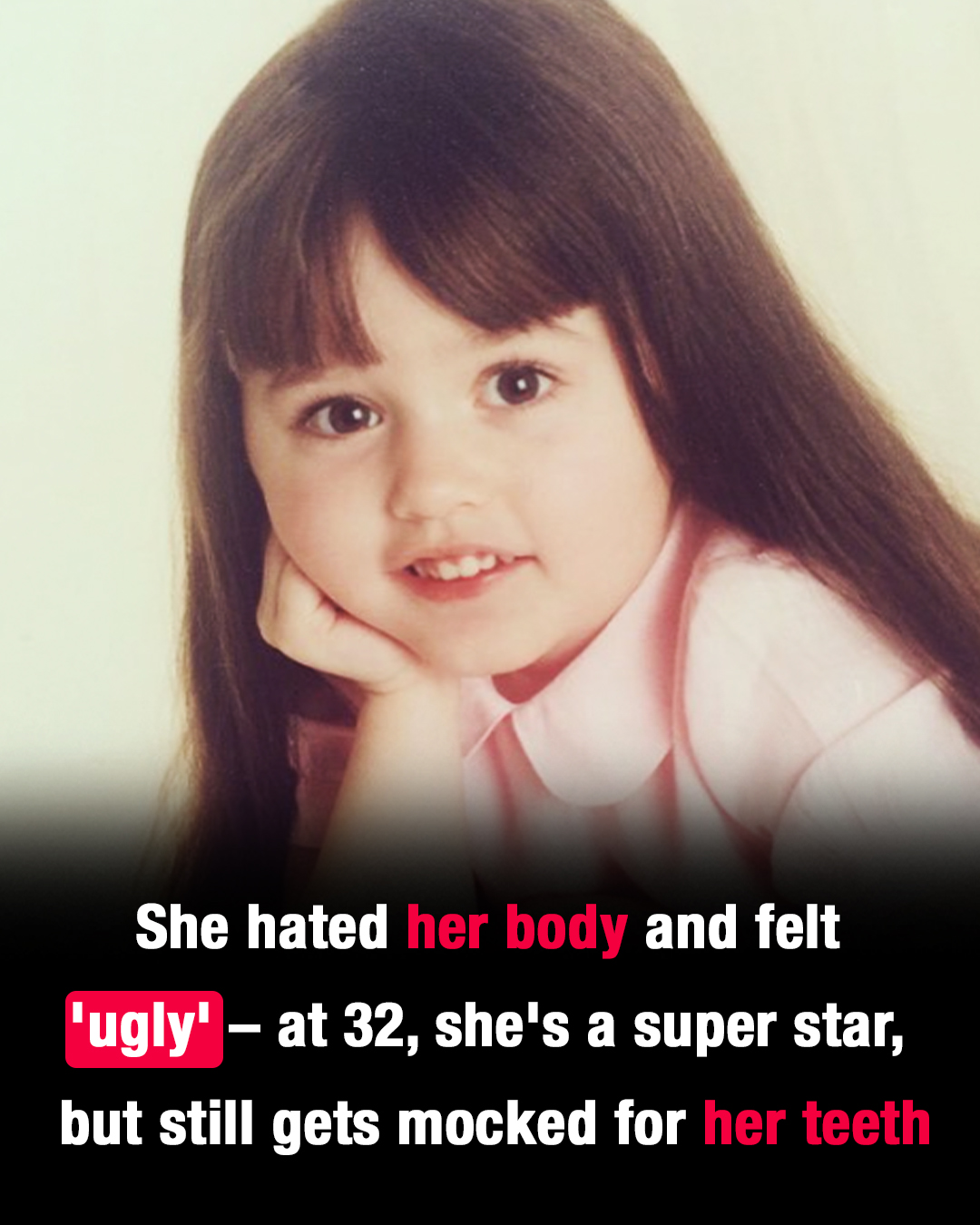
As her fame grew, so did the noise. Some people still tried to drag her back to the insecurities of her teenage years, reducing her achievements to cheap commentary about her appearance. A public joke about her smile made headlines, and for anyone who’s ever been bullied, it’s easy to imagine how sharply that could cut.
This time, though, she didn’t fold.
She accepted an apology when it came, but she refused the bigger message—that she needed to change herself to be “acceptable” on camera. No rushed cosmetic overhaul. No scrambling to fit a polished, copy-paste Hollywood beauty standard.
Instead, she made a choice that’s surprisingly rare in celebrity culture: she kept her smile as it is.
Why Her Story Hits Home (And Why Brands Pay Attention)
This isn’t just a story about teeth. It’s a story about leverage.
In an era where personal branding can be as valuable as acting ability, authenticity is a real asset. By not “correcting” what others called a flaw, she turned the narrative inside out. What used to be a target became a signature—something instantly recognizable, human, and real.
And that’s the part that matters: she didn’t win by becoming perfect. She won by becoming unshakeable.
Her journey is a reminder that confidence isn’t always loud. Sometimes it’s quiet, steady refusal—refusal to be edited down into something more convenient for other people.
Today, when she smiles, it’s not just a smile. It’s proof that the thing you’re pressured to hide might be the very thing that sets you apart in the best way.
The Bigger Message: Your Differences Aren’t a Dealbreaker
Hollywood is famous for impossible standards, but her career is a clear counterpoint: you don’t have to erase your quirks, your neurodivergence, or your individuality to succeed.
People may try to project their insecurities onto you. They may call your differences “problems.” But that only becomes true if you accept it as truth.
She didn’t.
And now the same traits that once made her feel like an outsider help make her unforgettable.
Enjoy stories like this? Share this article with someone who needs a reminder that they don’t have to “fix” themselves to be worthy—and drop a comment: what’s one thing you used to feel insecure about that you’re learning to own?