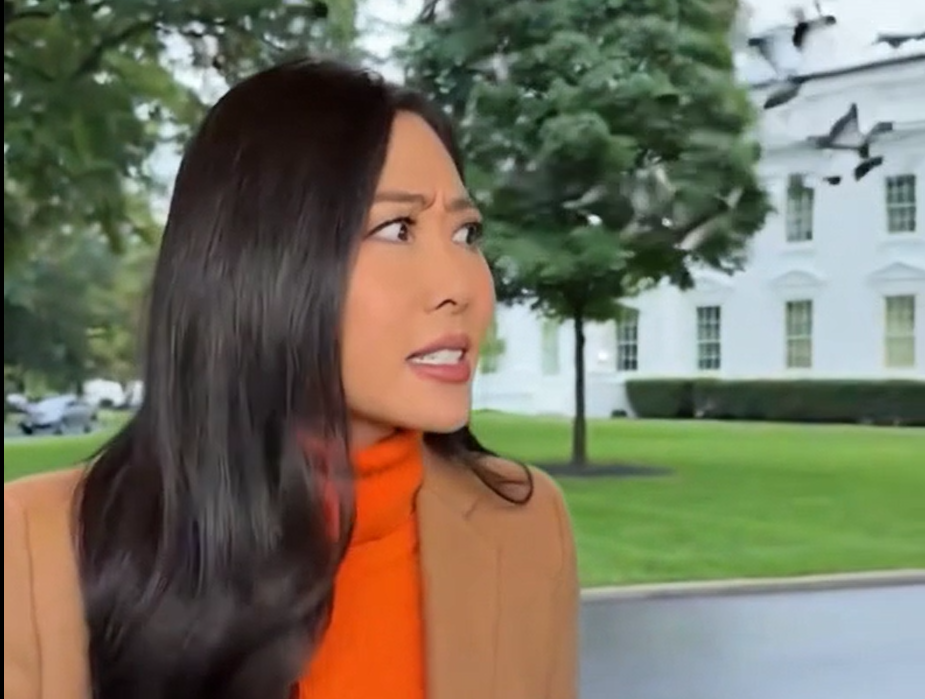
Within minutes, clips of the live television moment began spreading rapidly across social media platforms, with viewers replaying the footage frame by frame and sharing theories about what may have occurred near one of the most heavily secured locations in the world.
Law enforcement and emergency units quickly responded to the scene, increasing security measures around the area and temporarily restricting movement near several streets surrounding the White House complex. Authorities urged the public to avoid speculation while officers worked to verify details and secure the location.
As online discussion intensified, many social media users praised the reporter for remaining composed during the chaotic moment, while others expressed concern about how quickly dangerous situations can unfold during live broadcasts.
The incident also sparked renewed conversations about security around government buildings, public safety during live media coverage, and the unpredictable nature of real-time television reporting.
Although official information remained limited during the early stages, the viral footage alone was enough to trigger widespread concern and international attention within hours.
Viewers across multiple countries tuned in to follow updates, making the dramatic clip one of the most discussed live-news moments online.
Despite the panic and confusion, authorities later emphasized the importance of waiting for confirmed information rather than relying on rumors spreading through social media posts and edited video clips.
One thing became clear almost immediately: live television can capture history, danger, and human reaction all within a matter of seconds.
What would you do if you suddenly witnessed a dangerous situation unfold live on camera? Share your thoughts below.