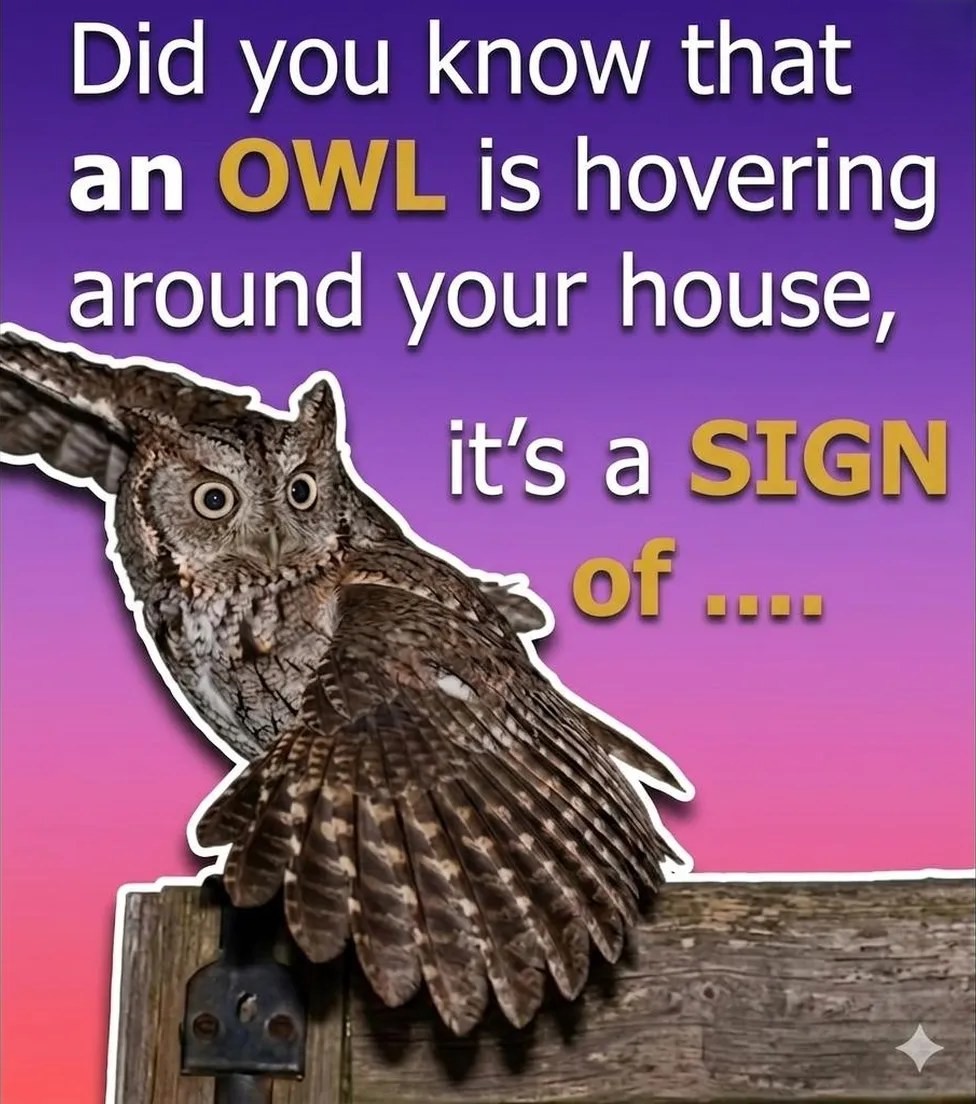
Night Vision and the Famous Head Turn
Owls also have exceptional low-light vision. Their large eyes collect available light efficiently, helping them spot movement when the world looks nearly black to us. Since their eyes don’t rotate like ours, owls rely on an impressive neck range to scan their surroundings—allowing them to look around without shifting their bodies and alerting prey.
The Real Superpower: Precision Hearing
If there’s one feature that makes owls truly dominant after dark, it’s hearing. Many species have a facial “disc” that funnels sound toward their ears, working like a natural satellite dish. Even more impressive, the ears are often positioned slightly unevenly, which helps the owl pinpoint the exact location of tiny sounds.
This is why an owl can locate a mouse rustling under leaves or grass—even when visibility is poor. It’s not luck. It’s biology doing what it was designed to do.
Why Owls Are Hunting in Suburbs More Often
The increase in owl sightings in suburban neighborhoods isn’t random. It’s a response to shifting ecosystems and expanding development. As cities and suburbs grow, wooded areas and natural hunting grounds shrink or become fragmented. Owls, being highly adaptable, follow the food.
And many suburbs unintentionally provide it.
Manicured lawns, gardens, sheds, trash bins, compost piles, and even outdoor pet food can support rodent activity. Mice, rats, gophers, and squirrels find shelter and easy meals around homes—especially in quiet neighborhoods with plenty of cover. For an owl, a calm cul-de-sac can become a reliable hunting zone that requires less effort than chasing prey through dense forest.
What Owl Activity Means for Homeowners
If you’ve noticed hooting from tall trees or a shadow passing silently over your yard, it may be a sign that local prey animals are active nearby. In many cases, owls are providing a natural form of pest control by reducing rodent populations—an important benefit for property owners concerned about infestations, chewed wiring, or contaminated storage areas.
Owls aren’t “invading” homes, but they are adapting to the modern landscape. Their presence is a reminder that nature doesn’t stop at the edge of your fence line. It adjusts, survives, and sometimes thrives right alongside us.
Final Thought
While most of the neighborhood sleeps, owls are out working—quietly balancing the ecosystem in ways many people never notice. The next time you hear a distant hoot or spot a shape gliding across the streetlight glow, you’re witnessing one of nature’s most effective nighttime hunters doing exactly what it’s evolved to do.
Have you seen or heard an owl near your home lately? Share what you noticed in the comments—and if you want more practical wildlife and backyard nature stories, bookmark this page and check back for the next update.