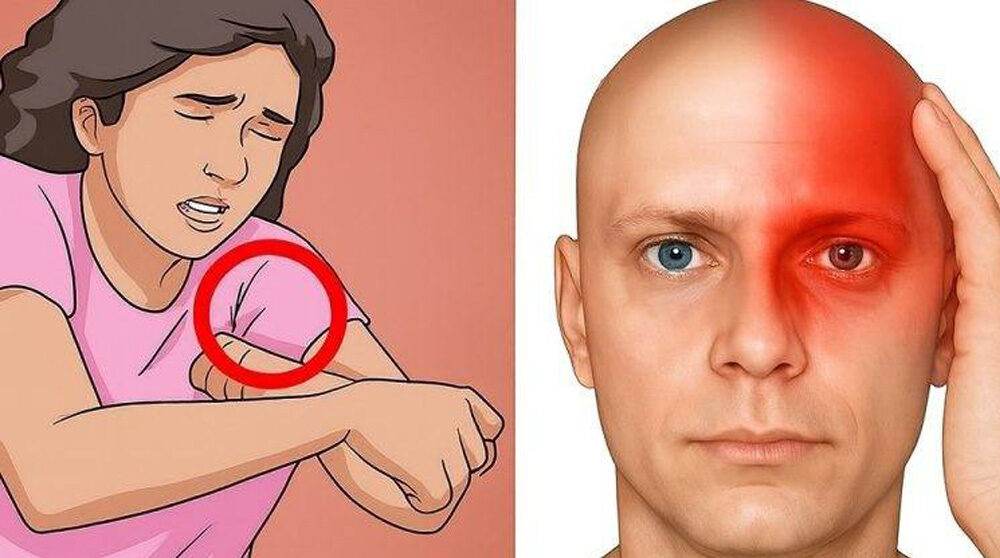
Common Warning Signs People Ignore
Stroke symptoms can vary from person to person, but some warning signs appear repeatedly in medical emergencies.
These may include:
Sudden numbness or weakness, especially on one side of the body
Difficulty speaking or understanding words
Blurred vision or sudden vision changes
Unexpected dizziness or balance problems
Severe unexplained fatigue
Sudden confusion
Intense headaches with no obvious cause
Because these symptoms sometimes disappear quickly, many people delay seeking medical attention — a mistake that can become dangerous.
Men and Women May Experience Different Symptoms
Health experts note that stroke symptoms do not always appear the same in everyone.
Men more commonly show what many people recognize as “classic” stroke symptoms, including:
Facial drooping
Arm weakness
Slurred speech
Difficulty moving one side of the body
Women, however, may experience less obvious warning signs such as:
Nausea
Shortness of breath
Unusual pain
Extreme fatigue
Sudden confusion
A strong feeling that “something is wrong”
These differences sometimes delay diagnosis because symptoms may not immediately resemble traditional stroke warnings.
The FAST Method Could Save a Life
Medical professionals often use the FAST acronym to help people recognize stroke symptoms quickly.
F — Face drooping
A — Arm weakness
S — Speech difficulty
T — Time to call emergency services
If any of these signs appear, immediate medical attention is critical.
Fast treatment can dramatically improve recovery outcomes and reduce long-term brain damage.
Why Every Minute Matters
During a stroke, brain cells begin losing oxygen rapidly.
The longer blood flow remains blocked, the greater the risk of permanent damage affecting speech, movement, memory, or cognitive function.
This is why doctors emphasize acting immediately instead of “waiting to see if symptoms pass.”
Even temporary symptoms deserve medical evaluation.
Risk Factors That Increase Stroke Danger
Certain health conditions and lifestyle factors can raise stroke risk significantly.
Common risk factors include:
High blood pressure
Smoking
Diabetes
High cholesterol
Obesity
Chronic stress
Heart disease
Lack of physical activity
Excessive alcohol consumption
Family history may also increase risk in some individuals.
Regular checkups and early prevention strategies play an important role in reducing stroke risk over time.
Prevention Often Starts With Awareness
One of the most powerful tools against stroke is recognizing symptoms early and taking them seriously.
Many survivors later realize their bodies had been sending warning signs long before the major event occurred.
Learning those signals can help people seek treatment earlier, reduce complications, and potentially save lives.
Final Thoughts
A stroke rarely feels important until it becomes life-changing.
That’s why listening to unusual symptoms — even brief ones — matters more than many people realize.
The body often whispers before it screams.
Recognizing those warnings, responding quickly, and seeking medical care immediately could make the difference between recovery and permanent loss.
If this information could help someone you care about, consider sharing it with friends and family. Awareness saves lives.