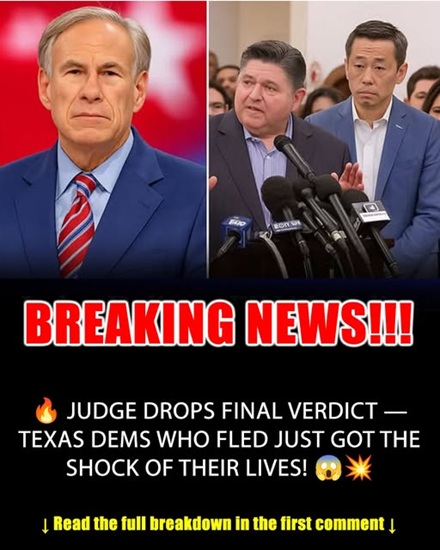
Texas House Response: Attendance Rules and Financial Penalties
As attention grows, so does the pressure. Under House rules, members who remain absent when quorum is required may face financial penalties, including daily fines that can add up quickly. The intent of these rules is to encourage lawmakers to return so the House can resume normal operations.
House leadership and state officials have emphasized that these consequences are tied to internal legislative procedure—not personal disputes—and are designed to keep the institution functioning during critical votes.
Two Competing Views: Accountability vs. Political Dissent
The debate over fines has become almost as intense as the debate over the bill itself.
- Those in favor of enforcement say elected officials have an obligation to show up, vote, and represent their districts—especially during major legislative moments. From this view, penalties are simply the result of breaking established rules.
- Those critical of strict enforcement argue that punishing lawmakers during a political protest raises questions about how far leadership should go to compel attendance. They warn it could deepen partisan tensions and harden positions on both sides.
Why This Texas Political Fight Keeps Escalating
Quorum breaks are uncommon, but they’re not new—either in Texas or across the country. They tend to appear during high-impact legislative battles, especially when one side believes the normal process won’t change the outcome.
What makes this moment especially volatile is the combination of:
- an emotionally charged debate over voting policy,
- the House’s inability to conduct business without quorum, and
- the growing weight of daily fines and political pressure.
Public reaction has been sharply divided, mirroring broader polarization nationwide. Online discussions have amplified both sides—some calling the walkout a justified stand, others calling it an unnecessary disruption to government.
What Happens Next?
For now, the outcome depends on a mix of negotiation, public pressure, and whether absent lawmakers decide to return. Once quorum is restored, the House can resume voting and the legislative process can move forward—potentially reigniting the same dispute on the floor.
At its core, this is a story about legislative procedure colliding with political strategy: a quorum break, enforcement of attendance rules, and a broader battle over how Texas should handle election-related legislation.
Want more clear, no-hype updates on Texas politics and major legislative changes? Share your thoughts in the comments and bookmark this page for the next update.