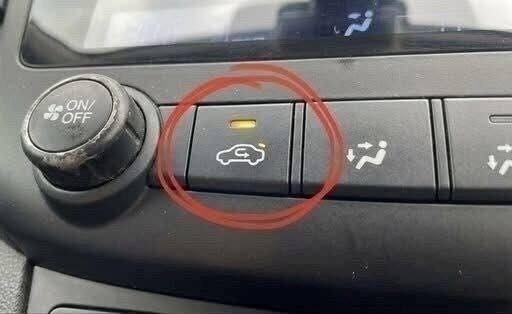
On a very hot day, for example, recirculation can help the cabin cool faster. Once the interior air begins to cool, the air conditioner does not have to keep cooling fresh hot air from outside. That can reduce the workload on the AC system and may help with fuel efficiency during heavy climate-control use.
It can also be helpful in traffic, tunnels, dusty areas, or places with strong odors or pollution. By limiting outside airflow, recirculation mode can temporarily keep fumes, dust, pollen, and smoke from entering the vehicle.
Why Leaving It On Can Backfire
The problem starts when drivers treat recirculation as the default setting and leave it on for the entire trip.
Because the vehicle is reusing the same cabin air, fresh oxygen is not being replenished as effectively. Over longer drives, carbon dioxide can gradually build as passengers breathe. That may contribute to tiredness, headaches, or reduced concentration, especially on long trips where alertness matters.
Humidity is another issue. In cold, rainy, or damp weather, recirculation can trap moisture inside the cabin. Each breath adds humidity, and without fresh outside air helping to balance it, condensation can quickly form on the windshield and windows.
That is why the glass may fog up faster when recirculation is on. In those conditions, switching back to fresh-air mode is usually better for visibility because it helps remove moisture from the cabin air.
What Drivers Should Know
Think of the recirculation button as a short-term tool, not a setting to forget about. It is useful when you want fast cooling or need to block unpleasant outside air, but fresh-air mode is often better for longer drives, defogging, and maintaining a more balanced cabin environment.
The cabin air filter also matters. This filter captures dust, pollen, dirt, and other particles moving through the ventilation system. If it becomes clogged, airflow can weaken and the HVAC system may have to work harder. Replacing it as part of routine vehicle maintenance can help protect air quality and support climate-control performance.
For many drivers, the best habit is simple: use recirculation when it helps, then turn it off once the cabin is comfortable or the outside air has improved. That small change can make the ride feel fresher, improve visibility in bad weather, and potentially reduce unnecessary wear on your car’s heating and cooling system.
It is a tiny dashboard button, but knowing when to use it can make everyday driving more comfortable and more efficient.