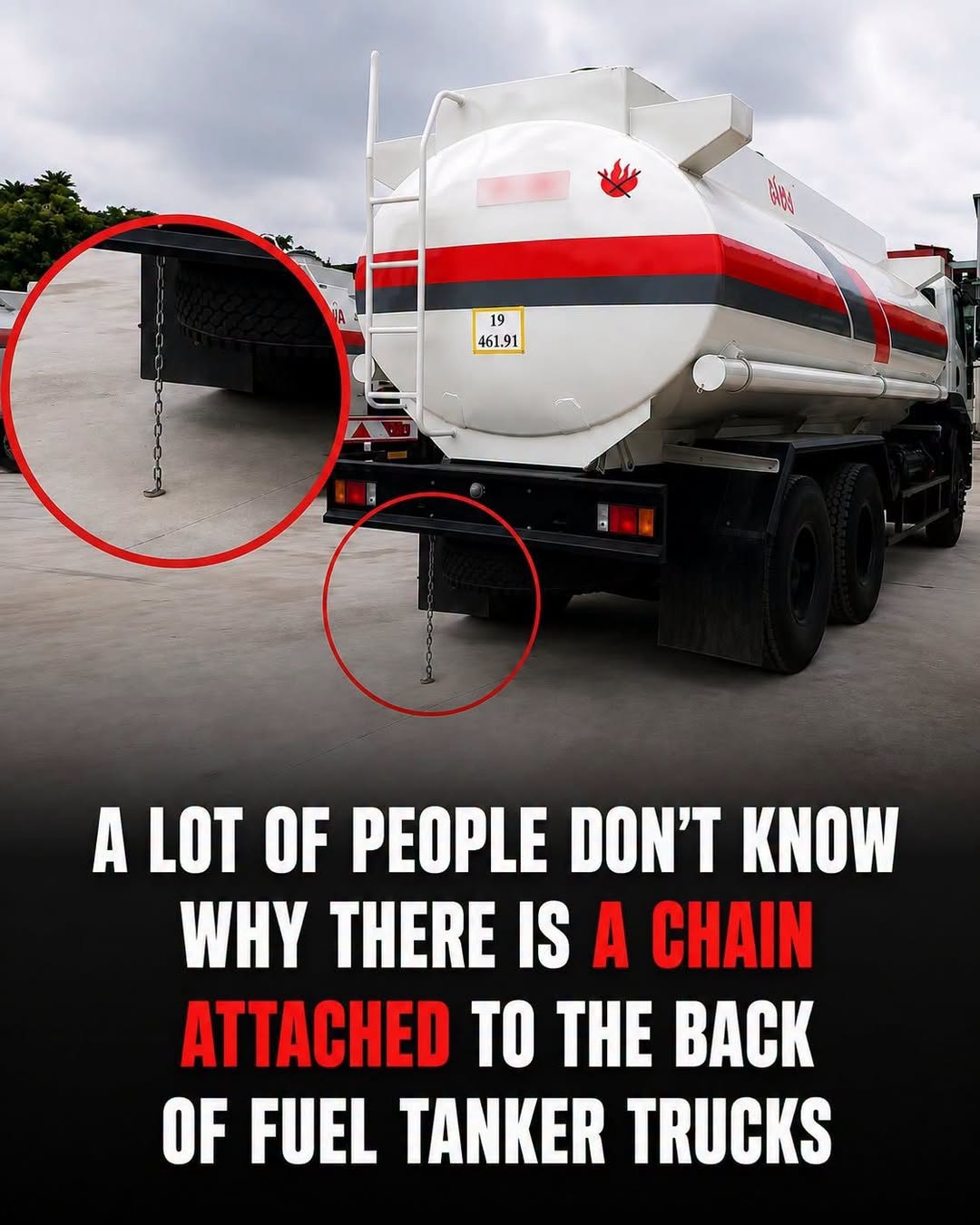
That does not mean the chain is the only thing protecting a fuel tanker. It is better understood as one visible piece of a wider safety approach used in commercial fuel delivery.
The Most Important Step Happens During Loading
The biggest safety focus comes when fuel is being loaded into or unloaded from the tanker. Before fuel starts moving, workers connect grounding cables to approved grounding points. They also bond metal equipment together so the tanker, hoses, and related components stay at the same electrical potential.
This matters because fuel movement itself can generate static electricity. If different parts of the system hold different charges, a spark could occur when those charges equalize. Grounding and bonding are designed to control that risk before fuel transfer begins.
For fuel companies, trucking operators, and safety teams, these procedures are part of everyday risk management. Preventing fires and fuel-related accidents protects workers, drivers, nearby property, and the expensive equipment used in transport.
What Readers Should Know
The chain hanging behind a tanker is not decoration, and it is not there by accident. It is a reminder that moving fuel safely requires attention to details most people never notice.
While modern fuel transportation relies on regulated equipment and trained handling procedures, the basic concern is easy to understand: gasoline vapors and sparks do not mix. Reducing static electricity is one way the industry lowers that risk.
So the next time a fuel tanker passes by, that small chain near the road may be worth a second look. It is a quiet sign of the safety systems working behind the scenes every day.