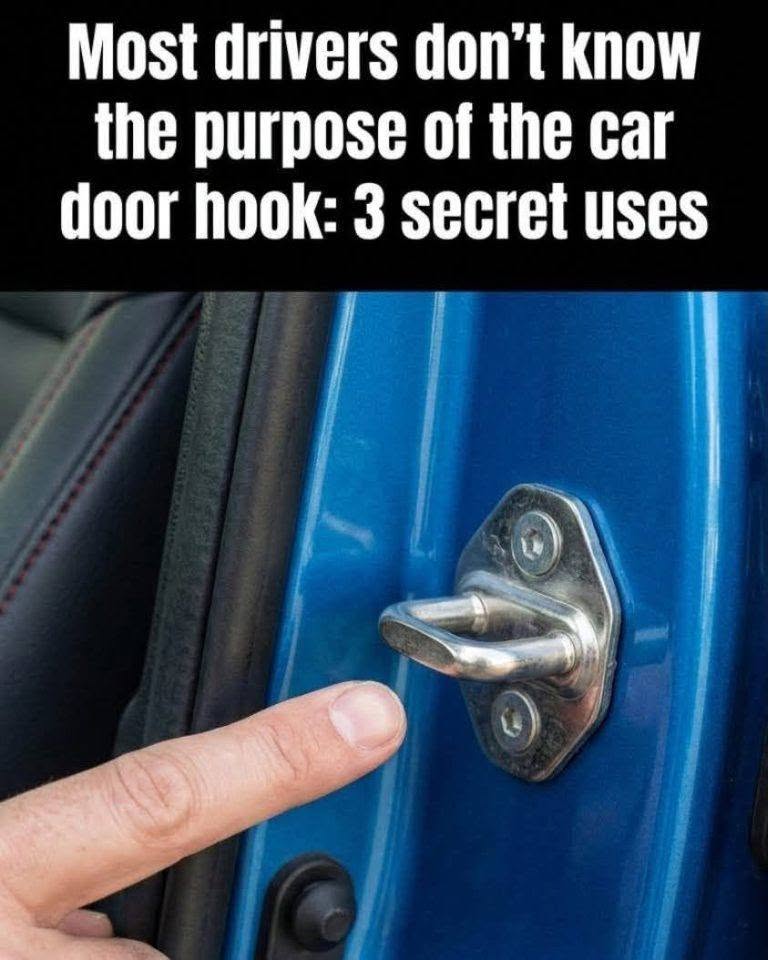
It also helps prevent rattling. If the door is not held firmly against the frame, it can shake over bumps, potholes, or rough roads. A well-positioned striker keeps the door snug, which contributes to a quieter and more comfortable ride.
Why This Matters for Safety and Maintenance
The striker is also part of the vehicle’s broader safety design. In a crash or hard impact, the door latch and striker are among the components designed to help keep the door closed. That is important because a closed door helps the passenger compartment remain more secure.
For car owners, this small part is also worth noticing during basic maintenance. If a door suddenly needs extra force to close, does not sit flush, rattles while driving, or lets in unusual wind noise, the latch or striker may be misaligned or worn. Those symptoms can also point to weather stripping or hinge issues, so it is something a qualified mechanic or body shop can inspect.
Ignoring a poorly closing door can lead to more than annoyance. Over time, bad alignment may affect seals, increase cabin noise, or create water leaks. For anyone buying a used car, checking how each door opens, closes, and lines up with the body can also reveal signs of previous damage or poor repair work.
The Bigger Picture
Modern vehicles are full of small parts that do quiet, important work. The door striker is one of those pieces: inexpensive-looking, easy to overlook, but central to comfort, security, and proper door function.
So the next time you brush past that little metal loop while getting into your car, you will know it is not just there by accident. It is one of the small details helping your vehicle feel solid every time you shut the door.