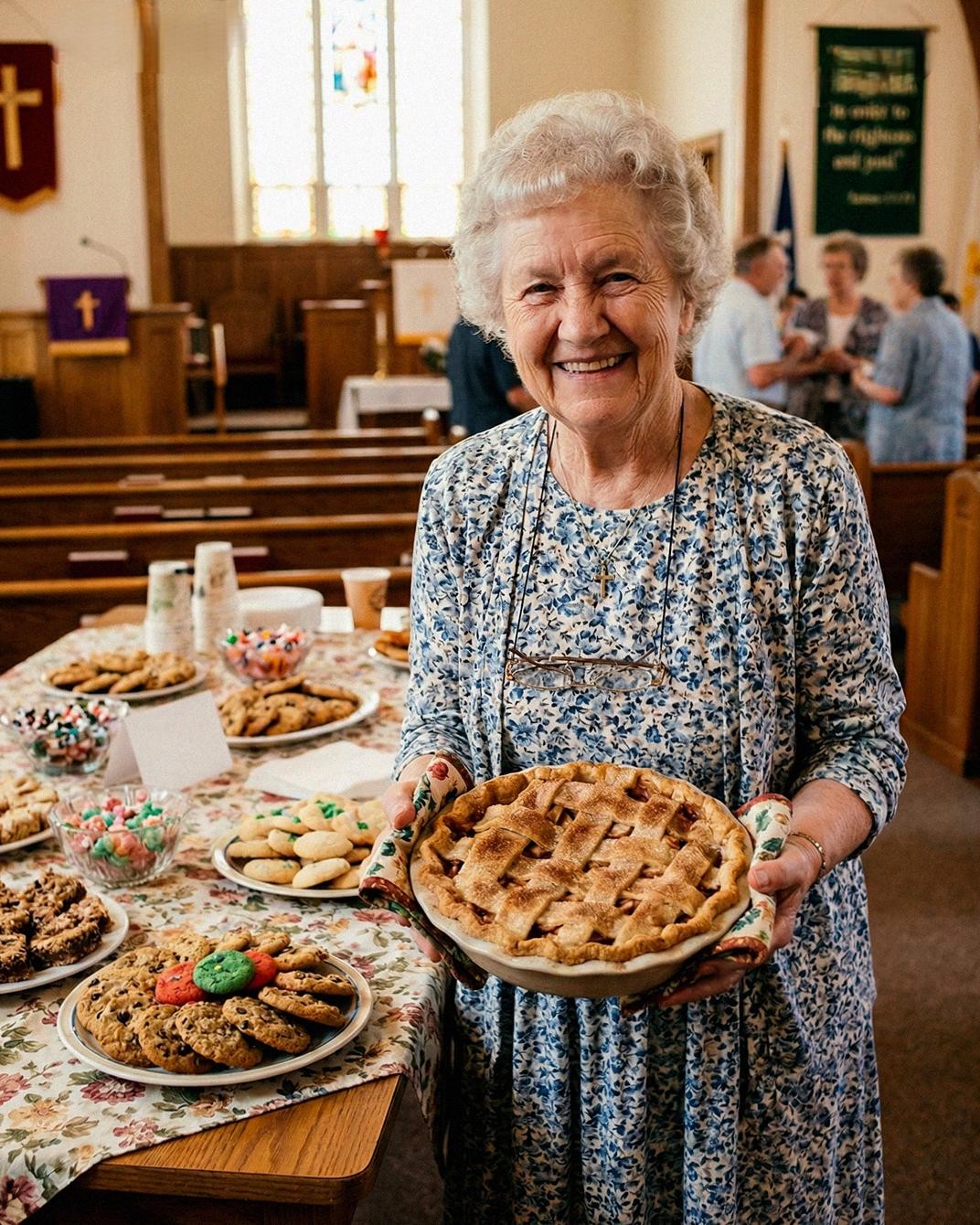
I paused my college plans and moved in to become her full-time caregiver. We weren’t asking for anything dramatic—just basic accessibility help. A ramp. A little muscle to move furniture so she could live on the ground floor. The kind of practical support churches often talk about when they mention “community outreach” and “servant leadership.”
With the same optimism she’d carried her whole life, she called the person she trusted most: Pastor Thompson.
I stood nearby while she spoke, hopeful and polite, asking for help that would have taken a few volunteers and an afternoon. The response was soft and vague—promises about checking schedules and seeing what could be done.
Nothing happened.
Days became weeks. Weeks became months. No visit. No meal. No ramp. No phone call. Every time a car slowed in front of the house, I watched her eyes lift with hope—only to dim again when the car kept going.
The Moment She Realized She’d Been Forgotten
One Sunday morning I found her crying quietly with her Bible open. She was reading a passage about love being proven through actions, not words. That’s when it hit her: the institution she had served for more than half a century had decided she was no longer useful.
She passed away two weeks later in her sleep. The grief was heavy, but what haunted me most was the way her spirit had been worn down before her body gave out.
When I called Pastor Thompson about the funeral, he didn’t come.
The Will Reading That Changed the Room
A week later, I sat in a local attorney’s office for the reading of her will. To my surprise, Pastor Thompson and another church leader, Pastor Barnes, were already there—hands folded, faces solemn, projecting concern that hadn’t shown up when it mattered.
It wasn’t hard to guess why they came. My grandmother had been careful with money and known to be financially stable. They expected a sizeable church donation—something that could be announced from the pulpit, added to a building fund, or used to make leadership look good.
The attorney confirmed there was money designated for the church.
Then he read the letter my grandmother left behind.
Her Final Letter Exposed the Truth
The letter didn’t rant. It didn’t insult. It simply documented what happened: the calls for help, the specific requests, the months of silence, and the loneliness she lived with at the end.
The office went quiet in a way that felt physical—like the air got heavier.
Then the attorney explained the condition attached to the money.
The Inheritance Came With Legal Requirements
The funds were not a no-strings gift. To receive a single cent, the pastors had to personally complete a set of hands-on service tasks within ninety days:
- Build a wheelchair ramp for a disabled person in the community
- Help move furniture for someone in need
- Deliver meals by hand—personally, not “delegated”
If they failed to complete the work on time, the money would automatically go to a non-religious charity that supports vulnerable people.
The expressions on their faces shifted fast—surprise, irritation, and something that looked like panic. They were used to leading meetings, not lifting lumber.
But my grandmother wasn’t finished.
The Locked Chest Behind the Fellowship Hall
She had also left a key and instructions for a locked chest stored behind the church fellowship hall. The pastors, convinced there might be valuables inside, agreed to open it publicly during the next Sunday service.
I made sure I was there.
In front of the congregation, Pastor Thompson unlocked the chest and lifted the lid like someone expecting treasure.
What he found wasn’t gold.
Inside were ordinary items: worn work gloves, a flour-stained apron, a small toolbox, and a stack of clean plastic food containers. At the bottom was a thick notebook—aged, marked up, and clearly used.
I stepped forward, picked it up, and began reading.
The Notebook Recorded 55 Years of Real Service
Page after page listed quiet acts of care—names, dates, needs, and what she did to help:
“Mrs. Carter—soup delivered, Tuesday.”
“Mr. Lee—fixed porch step.”
“Johnson family—funeral flowers.”
It wasn’t a scrapbook. It wasn’t for attention. It was a record of consistent service—proof that the “community” people praised was often built by one person showing up again and again.
The sanctuary went silent. Not polite silence—real silence.
Because in that moment, everyone understood the uncomfortable truth: the church hadn’t just failed her. The people had, too. They had benefited from her kindness for decades and still let her face her hardest season alone.
I handed the work gloves to Pastor Thompson and said, quietly, “She kept these ready in case someone needed her. I guess she thought you might, too.”
Accountability Turned Into a Community Reset
Under the eyes of the congregation, the pastors had no choice but to follow the will’s requirements. They built the ramp. They moved the furniture. They delivered meals. They did the work with their own hands—because the paperwork demanded it, and the people were watching.
But something bigger happened along the way.
The notebook stirred the congregation into action. Members began volunteering—not for publicity, and not for money, but because they realized how far they’d drifted from what they claimed to believe. They organized a lasting support system for seniors, people with disabilities, and families dealing with illness. They created a dedicated assistance fund and a volunteer schedule that didn’t depend on one exhausted person doing everything.
By the end of the ninety days, the church looked different—not shinier, not louder, but more honest. More present.
Someone told me later, “She shamed us into becoming the church again.”
I don’t think she wanted to shame anyone. I think she wanted to teach what years of speeches hadn’t: faith isn’t proven by titles, budgets, or stage presence. It’s proven in the unglamorous moments—showing up, lifting the load, and caring when there’s nothing to gain.
Her will didn’t just distribute money. It forced accountability. And somehow, it gave a community a second chance to become what it claimed to be.
Closing CTA: If this story made you think about loyalty, community, or what real support looks like, share your thoughts in the comments—have you ever seen someone give everything and get forgotten when they needed help most?