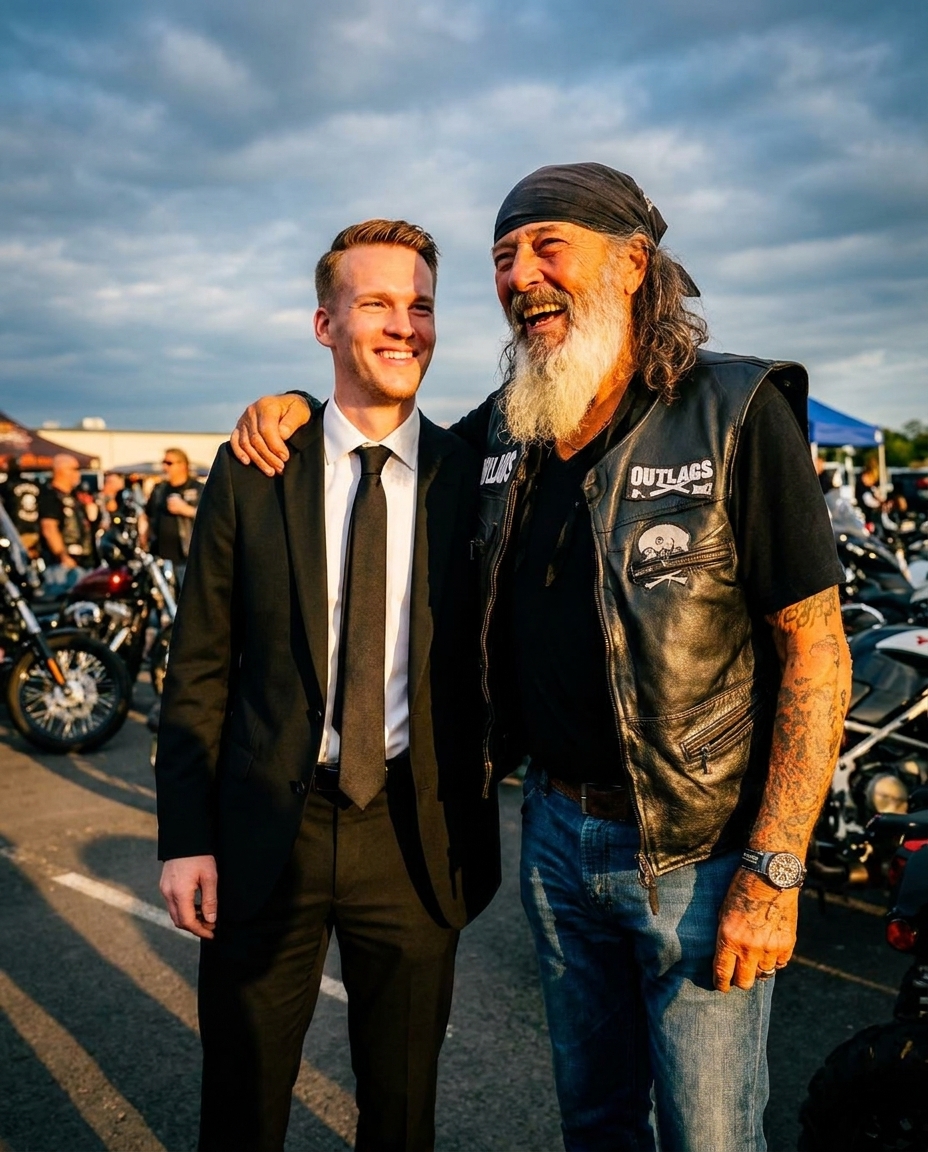
To show that impact, David called witnesses who had once slept on Mike’s sofa. They had gone on to become teachers, nurses, social workers, business owners, and physicians. Each described how the shop gave them food, work, routine, and dignity at a time when they could easily have been treated as criminals or charity cases.
The city’s attorney argued that good intentions did not excuse unlicensed housing. David’s response was that the real issue was not simply building codes. In his view, officials were using redevelopment language to remove people and places they found inconvenient.
The Ruling That Changed the Shop’s Future
The judge blocked the seizure and required the city to recognize the shop’s community role. Rather than allowing the property to be taken, the court approved a compliance agreement that let Mike upgrade the building while keeping it open.
That agreement mattered. It meant the back room could be brought into proper legal and safety compliance, with permits, fire protection, and a small nonprofit fund managed with David’s help. The result was not a free pass, but a path forward that balanced safety, property rules, and the shop’s long record of helping people.
While delivering the ruling, the judge noted that an institution can be imperfectly documented and still prove its worth through measurable results. In this case, the court found that Big Mike’s Custom Cycles had functioned as an asset to the community, not a blight to be erased.
The Bigger Picture
The story also shows how redevelopment battles can affect more than land values and construction plans. Zoning decisions, insurance requirements, property maintenance, and public safety rules all matter. But when a local business also acts as an informal support system, removing it can carry a human cost that does not always appear in city paperwork.
Today, Big Mike’s Custom Cycles remains open. The shop is more formal now, with the back room operating under proper permits and safety protections. But its spirit has not changed.
One evening, Mike found a fifteen-year-old trying to steal tools. Instead of calling him worthless, he set a sandwich on the bench beside him, handed him a wrench, and told him to start sorting sockets.
David watched from the doorway in a tailored suit, sleeves rolled back, grease already darkening his fingertips. He no longer saw a divide between the lawyer he had become and the runaway Mike once rescued.
The law protected the building. But long before that, the building helped create the lawyer who could protect it.
Some families begin with documents and shared last names. This one began with a sandwich, an open toolbox, and one man’s refusal to throw a frightened child away.