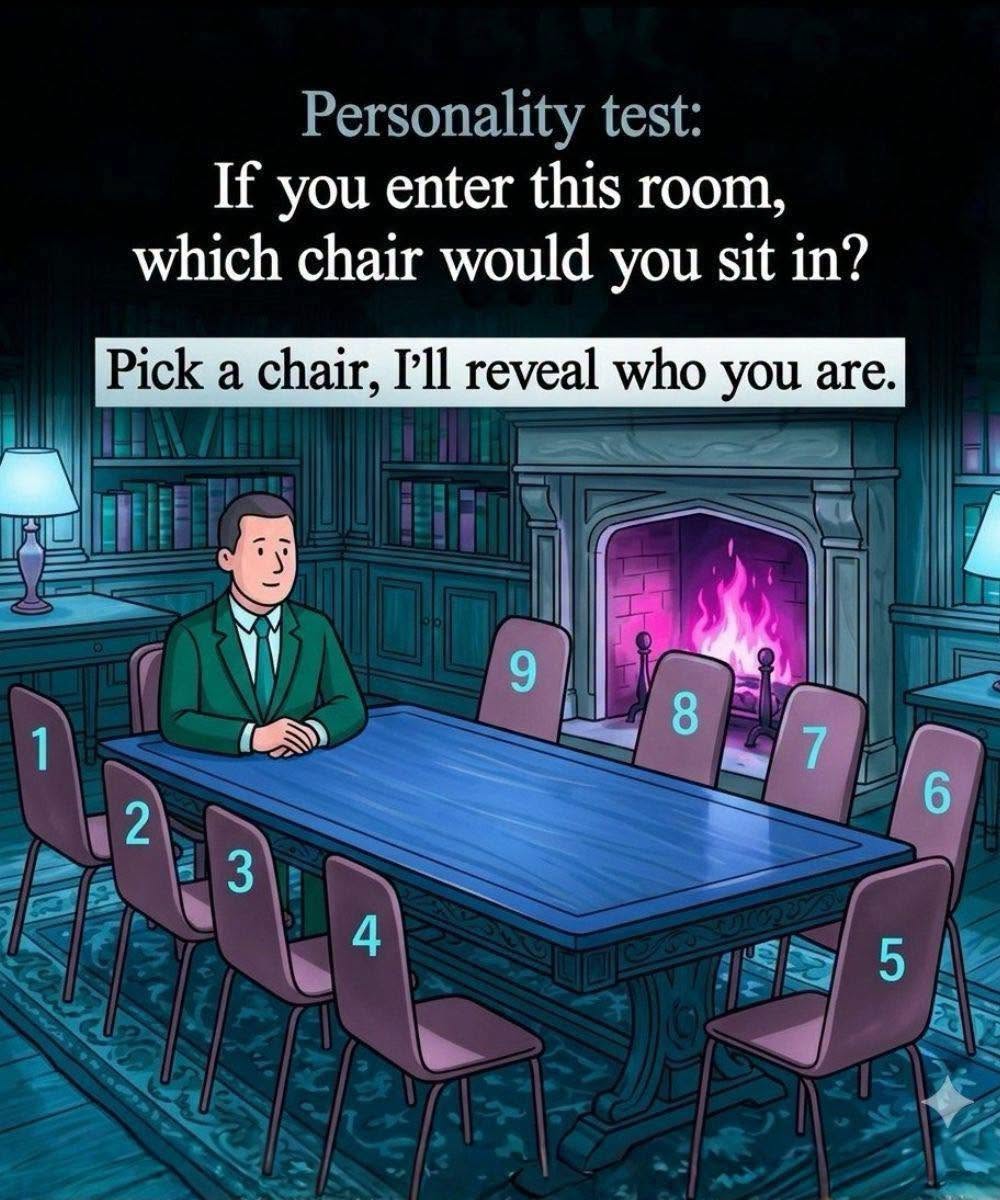
If you prefer a seat with a little distance, that does not mean you are unfriendly. For many people, personal space is simply part of feeling relaxed. You may like to observe first, settle in, and join the conversation when you feel ready.
This choice can reflect independence, self-awareness, or a preference for calm surroundings. Many people who value a bit of space still enjoy close relationships; they just recharge best when they do not feel crowded.
Some people are drawn to the quietest area of a room. If you tend to pick a corner, a side chair, or a spot away from heavy traffic, you may appreciate time to think before speaking. You might notice details others miss and prefer environments with fewer distractions.
That can be especially true in busy homes, offices, or public spaces, where seating layout affects how comfortable people feel. A quieter seat can make it easier to listen, reflect, or focus.
Comfort, Control, and the View of the Room
Maybe your first instinct is to choose the softest chair, the seat near a window, or the spot that feels warm and inviting. That kind of choice may suggest that comfort matters to you. You may enjoy peaceful surroundings and take pleasure in making spaces feel welcoming.
This can show up in simple ways, from how you arrange your home to how you choose a café table or hotel lobby seat. For some people, the right chair is less about social positioning and more about feeling at ease.
Others naturally choose a seat where they can see the full room. This may suggest that you like to stay aware of what is happening around you. You may enjoy participating in conversations, helping organize group settings, or stepping into a leadership role when needed.
A central or well-positioned seat can also be practical. In meetings, family events, or social gatherings, being able to see everyone can make it easier to follow the mood of the room and respond comfortably.
What Readers Should Know
There are many reasons someone might choose one chair over another. Mood, habit, room temperature, lighting, accessibility, furniture comfort, and familiarity with the space can all influence the decision.
That is why this should be treated as a light, enjoyable prompt rather than a rulebook. It can be fun to compare answers with friends or family, but it should not be used to label anyone.
The more useful question may be this: what kind of space helps you feel most like yourself? Some people need conversation. Others need quiet. Some want comfort, while others like a clear view of the room.
Next time you walk into a room, notice where you instinctively want to sit. The answer may not define your personality, but it might reveal a small truth about what helps you feel comfortable.