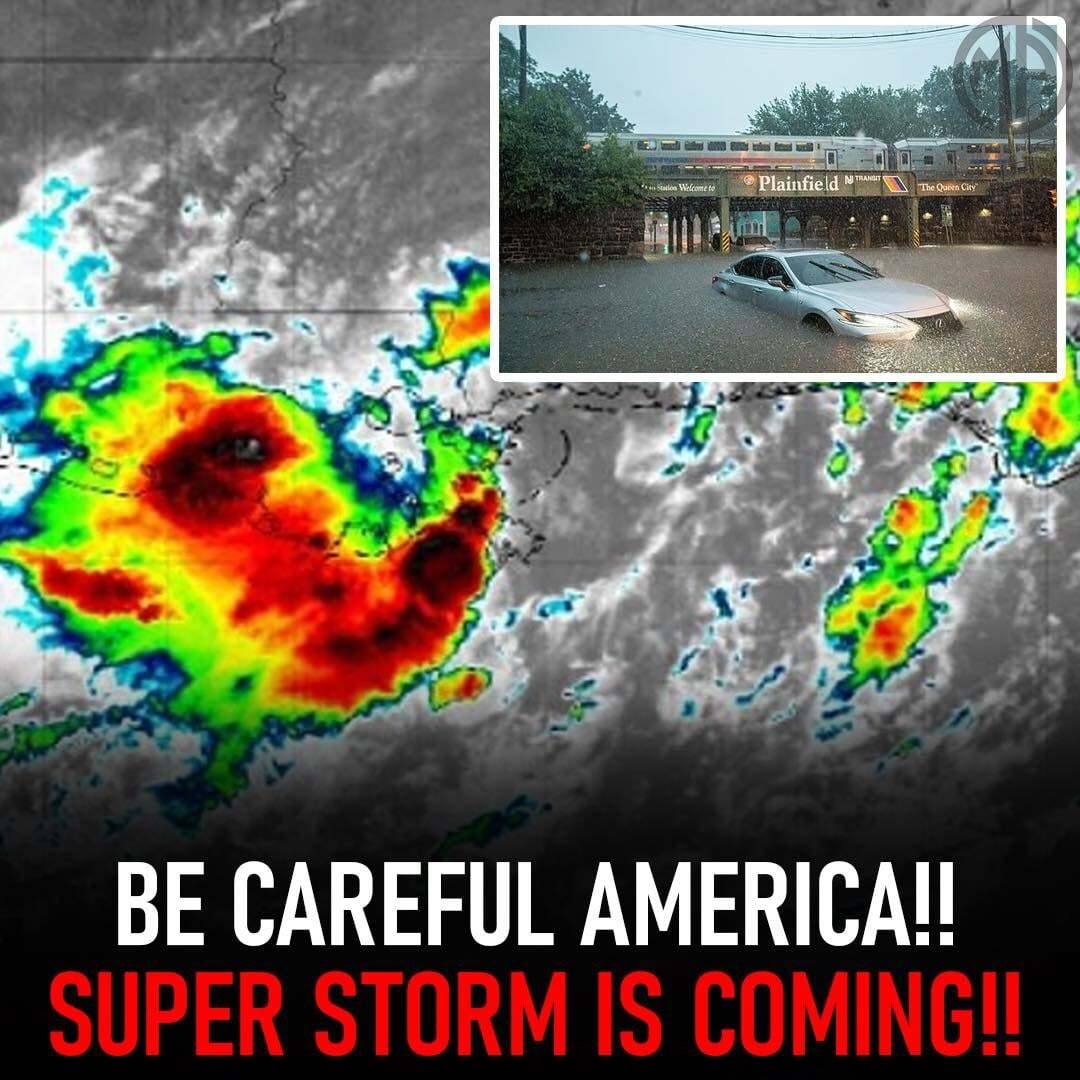
Roof damage was reported in more exposed neighborhoods, where shingles and lightweight materials were torn away under sudden gust pressure. When the electrical grid began to fail, thousands were left without lighting, heating or cooling systems, phone charging access, and other essentials—turning an already dangerous situation into a stressful, extended emergency.
Flash Flooding Turned Streets Into Rivers
The storm’s second major threat was water. With the ground already saturated from prior seasonal rain, the new downpour had nowhere to go. Drainage systems struggled to keep up, and low-lying areas quickly filled, creating flash flooding conditions that trapped vehicles and cut off key routes.
Emergency lines filled with calls as residents reported flooded streets, stranded cars, and water pushing into basements and ground-level living spaces. First responders worked through blocked roads and poor visibility, often navigating around downed trees and standing water to reach those needing help.
Emergency Shelters Opened as the Community Mobilized
In the middle of the disruption, Region B’s community response became a bright spot. Local coordination centers directed resources toward the hardest-hit areas, while temporary shelters opened for families displaced by flooding or structural damage.
These shelters provided essentials such as food, blankets, and a safe place to stay while conditions outside remained unstable. Volunteers and local organizations moved quickly—helping with transport, distributing supplies, and checking on neighbors who might not have been able to evacuate or communicate.
Post-Storm Dangers Remained After the Rain Slowed
Even after the strongest part of the storm passed, officials warned that risk didn’t end with clearing skies. The aftermath of severe weather often brings hidden hazards, including:
- Downed power lines that may still be energized
- Weakened trees that can fall without warning
- Floodwater concealing debris, open drains, or damaged road surfaces
Safety guidance focused on staying alert, avoiding standing water, and reporting hazards to local authorities rather than attempting risky cleanup alone.
Cleanup and Restoration: Repairs, Road Clearing, and Recovery Planning
As Region B shifted into recovery, the scale of the damage became clearer. Utility crews prioritized the most critical repairs to restore electricity and stabilize the grid. Municipal teams worked street by street to remove fallen timber and reopen transport routes that had been blocked by debris.
Residents stepping outside after hours in darkness described a changed landscape—trees down, yards torn apart, and streets littered with storm remnants. Alongside relief that the worst had passed, there was a shared understanding that full recovery would take time and coordinated effort.
A Wake-Up Call About Severe Weather Preparedness
For many, the storm reinforced an uncomfortable truth: extreme weather can escalate faster than expected. Local leaders and emergency officials renewed calls for practical preparedness, including maintaining basic emergency supplies and relying on official weather updates when conditions shift.
Longer-term, local government teams are reviewing the storm’s impact on drainage, utility resilience, and response procedures—looking for ways to strengthen infrastructure and reduce risk during the next major event.
Region B’s Resilience After the Storm
The storm left behind more than repair bills and cleanup piles. It also revealed how quickly a community can come together when it matters most. Region B faced a sudden, powerful reminder of nature’s force—but the response showed something equally powerful: neighbors supporting neighbors, and a region determined to rebuild smarter and stronger.
Have you been affected by severe weather where you live? Share what happened and what helped most during the outage or flooding—and if you found this update useful, pass it along so more people can stay prepared.