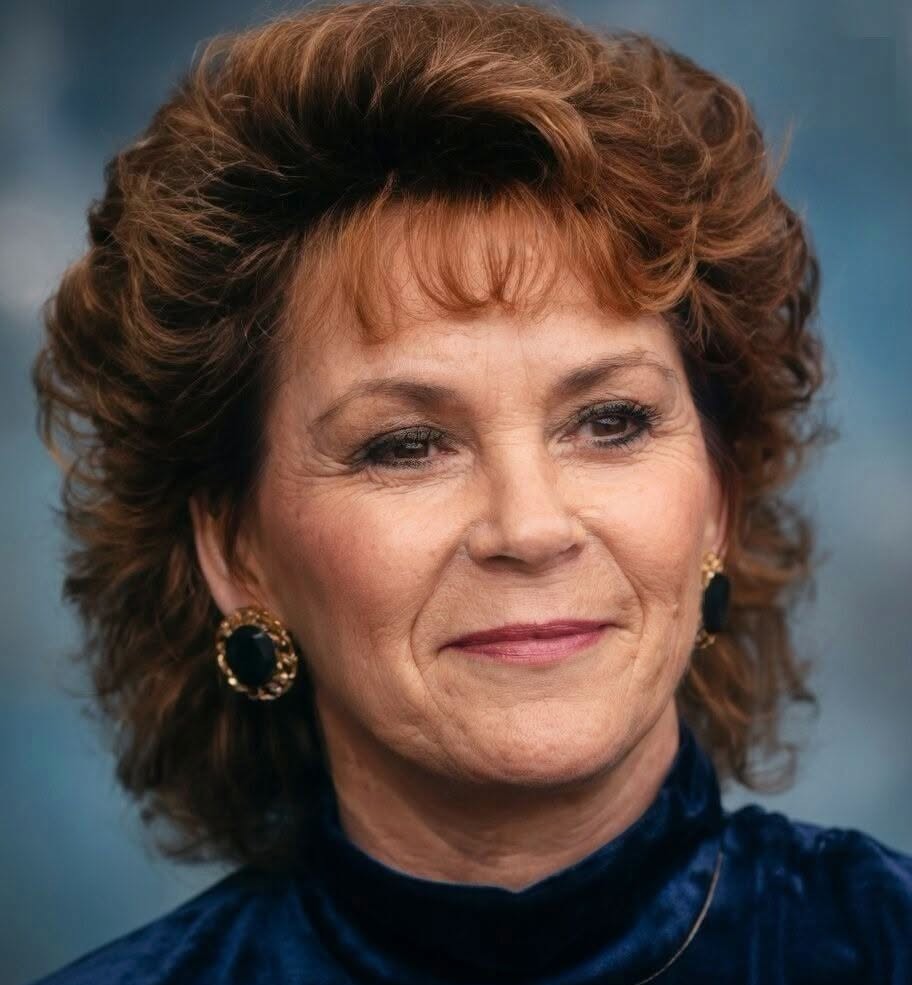
That contrast is one reason stories like Chapin’s continue to interest readers. The image preserved on television can remain frozen in time, while the person who played the role continues living a much more complex life away from the studio lights.
When a child becomes known for one character, that identity can follow them for years. Chapin was remembered by many as “Kitten,” even as she was trying to move beyond childhood and build a life outside the role.
Life After the Cameras Stopped
After Father Knows Best, Chapin faced a transition familiar to many former child performers. The structure of a hit series was gone, but the public memory of her early work remained. That kind of shift can be difficult for anyone who became famous before they had the chance to fully understand who they were outside the entertainment business.
Her adult years included personal challenges and periods of instability. Those parts of her life have often been discussed alongside the broader difficulties former child stars can face after early success. The pressures of fame, the loss of routine, and the struggle to create a new identity can all become part of that journey.
Still, Chapin’s story is not defined only by hardship. Over time, she turned toward personal growth and spiritual faith. She began to speak more openly about her experiences, using her past as part of a larger message about resilience and rebuilding.
That second chapter matters because it shows a fuller picture of a person many viewers first knew only as a child on television. Chapin’s life moved beyond a single role, even if that role remained deeply connected to how the public remembered her.
The Bigger Picture
Chapin’s journey also points to a larger issue in entertainment: children who work in television and film often live between two worlds. They may gain opportunities, skills, and visibility at a young age, but they may also face pressure that requires strong guidance and support from the adults around them.
Child performers can become part of major productions before they have the emotional tools to handle public attention, career changes, or the expectations that come with being recognized. Education, friendships, privacy, and personal identity can all be affected when childhood is partly lived in front of an audience.
That does not mean every young actor will struggle later in life. But it does explain why stories like Chapin’s continue to resonate. They remind readers that fame can be both a gift and a burden, especially when it arrives before adulthood.
For generations of viewers, Lauren Ann Chapin will always be connected to Father Knows Best. But her life after the show adds depth to that memory. She became more than the character people loved; she became a person who faced difficulty, searched for purpose, and built a new chapter rooted in faith and resilience.
Her story leaves a simple reminder: the roles people play early in life do not have to be the final word on who they become.