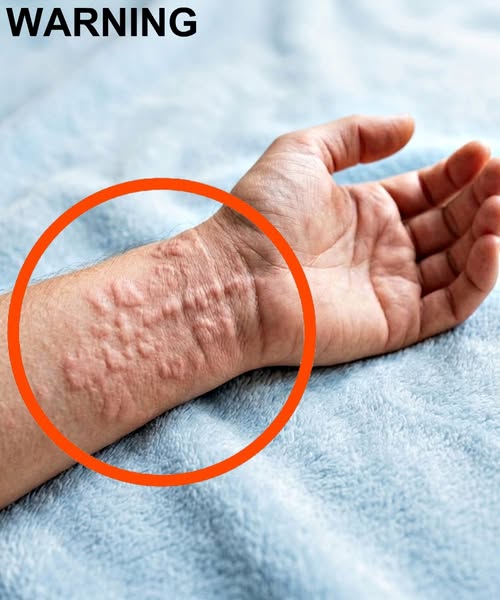
2) The Most Dangerous Combo: Skin Symptoms + Breathing or Circulation Problems
A rash becomes far more concerning when it’s paired with symptoms involving the airway, breathing, or blood pressure. If you notice hives and any of the following at the same time, treat it as an emergency:
- Tightness in the throat or trouble swallowing
- Shortness of breath, wheezing, or a “can’t get enough air” feeling
- Swelling of the lips, tongue, face, or throat (often called angioedema)
- Dizziness, fainting, or sudden weakness (possible low blood pressure)
- Rapid, weak pulse or feeling like your heart is racing
These signs can point to anaphylaxis, a severe allergic reaction that can become life-threatening within minutes.
3) Anaphylaxis: Why Speed Matters
Anaphylaxis is unpredictable and can escalate quickly. It may be triggered by everyday exposures, including:
- Food allergies (such as peanuts, shellfish, eggs, or tree nuts)
- Insect stings
- Medications (including certain antibiotics or pain relievers)
- Environmental triggers in sensitive individuals
One of the scariest realities: a person can have mild reactions—or no reaction at all—multiple times, and still develop a severe response later. That’s why recognizing early skin symptoms is so important.
4) What’s Happening Inside the Body During a Severe Allergic Reaction
When the immune system goes into overdrive, it can affect multiple systems at once:
- Blood vessels may leak fluid, causing swelling and a dangerous drop in blood pressure.
- Airways can tighten, restricting airflow and reducing oxygen delivery to vital organs.
Without rapid treatment—often with epinephrine—the body can go into shock. This is why healthcare professionals treat any allergic reaction involving breathing or circulation as a “don’t wait and see” situation.
5) Living With Severe Allergies: Safety Is Not “Being Difficult”
For people who’ve experienced serious allergic reactions, daily life can feel like navigating hidden risks—restaurants, social events, travel, even new prescriptions. The best protection is a proactive plan, which may include:
- Seeing an allergist for testing and guidance
- Knowing your triggers and reading ingredient labels carefully
- Carrying an epinephrine auto-injector if prescribed
- Clearly communicating allergies to friends, partners, coworkers, and servers
Advocating for your health isn’t awkward—it’s smart. Simple conversations (like confirming ingredients or sharing medical needs before a meal) can prevent a crisis.
6) Small Skin Clues Worth Taking Seriously
Not every itch is an emergency, but it’s wise to pay attention when skin symptoms appear suddenly or feel “different than usual.” Watch for:
- Rapid facial flushing
- Tingling in the hands or lips
- Itchy patches spreading quickly
- New swelling around the mouth or eyes
If symptoms escalate or involve breathing, swelling of the throat/tongue, or faintness, seek emergency care immediately.
Listen to Your Skin—It May Be Protecting Your Life
Your skin often speaks up before the rest of the body fully crashes into a serious reaction. Learning these warning signs can help you act sooner, get appropriate treatment, and protect your long-term health.
CTA: If you found this helpful, share it with someone you care about—and consider bookmarking it for reference. Have you ever experienced hives or a sudden allergic reaction? Drop your thoughts or questions in the comments so others can learn from your experience.