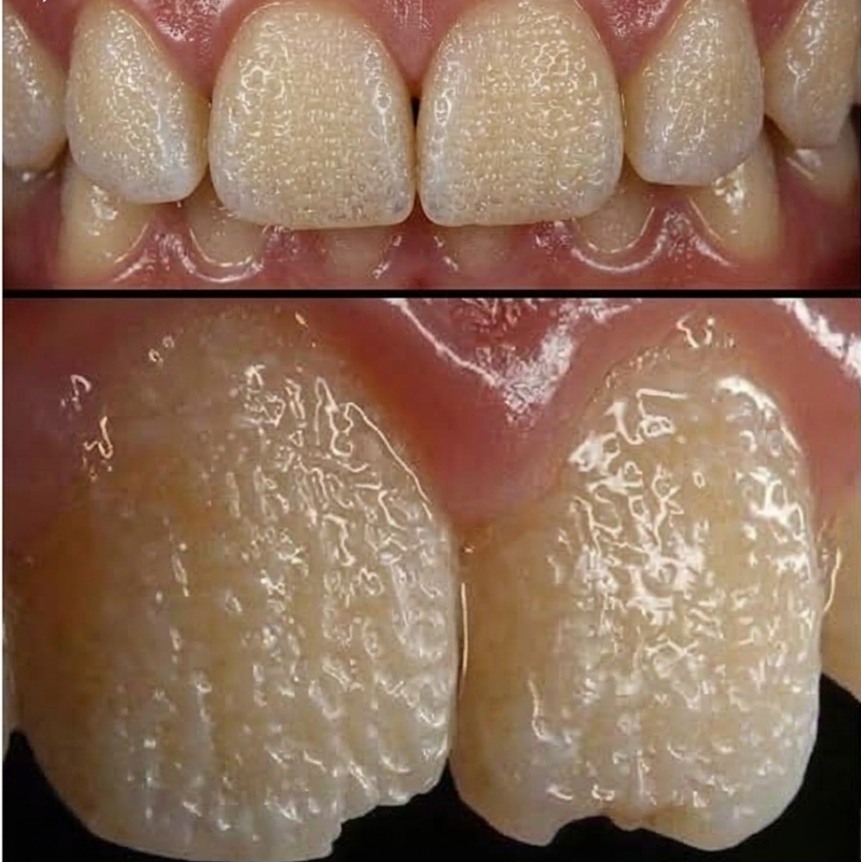
Sensitivity can be especially frustrating. When enamel is thin or weak, the dentin underneath is more exposed. Dentin contains tiny pathways that connect toward the nerve, which can make discomfort feel sharp, frequent, or difficult to ignore.
Why Getting the Right Diagnosis Matters
People with enamel defects may try whitening strips, abrasive whitening toothpaste, or repeated bleaching in hopes of improving the look of their teeth. But if the underlying issue is enamel development, cosmetic whitening may not address the real problem and could leave sensitivity unchanged or worse.
A proper dental evaluation can help separate ordinary staining from a structural enamel condition. Dental professionals may look at tooth appearance, wear patterns, sensitivity history, family history, and other clinical clues. Since AI can be inherited, similar dental problems in relatives may also be relevant.
Getting answers can be a relief for patients who have blamed themselves for years. It reframes the issue as a medical and dental condition, not a personal failure. It can also help patients avoid repeated short-term fixes that do not protect the teeth long term.
What Readers Should Know
Treatment depends on severity, but the goal is usually bigger than creating a whiter smile. Dentists may focus on sealing exposed dentin, protecting weakened enamel, improving chewing surfaces, and reducing discomfort. A customized plan can also help limit future fractures and preserve tooth structure.
This matters for both health and cost. Ongoing sensitivity, chipping, and worn enamel can lead to repeated appointments and more complex dental care over time. Early evaluation may help patients and families plan treatment more effectively and protect their oral health before the damage becomes harder to manage.
Visible enamel problems can also affect confidence. Children, teenagers, and adults may avoid smiling in photos or feel self-conscious speaking in social or professional settings. Addressing the condition can improve comfort, function, and quality of life.
If you have persistent sensitivity, unusual discoloration, or repeated chipping despite good oral hygiene, it may be worth asking your dentist specifically about enamel development issues. A clearer diagnosis can make the path forward far less frustrating.
For anyone dealing with “mystery” dental problems, this is a reminder that oral health is not always just about habits — sometimes, biology needs to be part of the conversation.