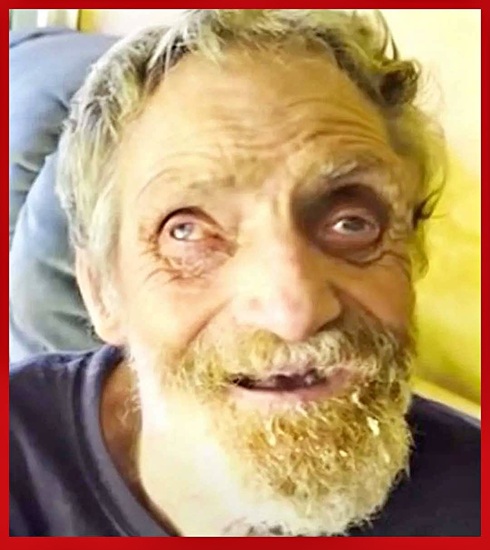
Some media outlets used the controversial label “America’s most inbred family,” a phrase that brought attention but also criticism. While it made the family more visible online, it also raised questions about whether vulnerable people were being discussed with enough care and dignity.
Medical and genetic issues are difficult to judge from the outside. Experts generally caution that physical or cognitive conditions cannot be fully explained without proper medical evaluation. Health outcomes may involve many factors, including hereditary conditions, nutrition, environment, access to healthcare, and living conditions.
That broader context is part of why the Whittakers’ story held attention. For many viewers, it was not simply about family history. It was also about rural poverty, healthcare access, housing conditions, and what happens when isolated communities become the focus of internet fame.
The Report About Larry That Changed the Story
In March 2024, Laita publicly shared that Larry Whittaker had reportedly died. The information he received suggested Larry may have suffered a heart attack. Laita spoke with sadness about the news and described Larry as someone who had treated him with kindness and respect over the years.
Believing the report was true, Laita also contributed money toward funeral-related expenses. Supporters who had followed the family for years reacted with sympathy, and many believed they were watching another painful chapter in the Whittakers’ already difficult story.
Then the situation changed. A later video showed Larry alive at the family property, creating confusion among viewers and supporters who had accepted the earlier report as fact.
Laita said he learned the truth only after seeing video evidence that contradicted what he had been told. After years of visiting the family, documenting their lives, and helping raise support, he described feeling misled by the situation.
A family member identified as BJ later apologized for her role in sharing false information. In public statements, she acknowledged that what she had provided was not true and said she had been dealing with serious substance abuse issues at the time.
Her admission added another layer to the story. It did not erase the frustration felt by Laita or by supporters, but it did point to the unstable and difficult circumstances surrounding parts of the family’s life.
The Bigger Picture
The incident raised uncomfortable questions about trust, online fundraising, and the responsibility that comes with documenting vulnerable people. When viewers donate money or emotional support based on what they see online, accuracy matters. At the same time, families dealing with poverty, addiction, health challenges, or unstable living situations may not always fit neatly into a simple public narrative.
Laita did not fully cut ties with the Whittakers after the controversy. Despite feeling betrayed, he continued to express concern for their well-being and recognized that their problems went beyond one false report. His work had already helped bring attention to their living conditions and encouraged online support from viewers around the world.
The Whittaker story remains one of the most unusual documentary subjects to gain wide attention online. To some, it is a story about rural isolation and hardship. To others, it is a reminder that documentary work can blur the line between observer, helper, and public figure.
What began as a visit to a remote West Virginia family became a long-running story about poverty, family history, trust, and the complications of being watched by millions. It is a reminder that behind every viral documentary are real people, real consequences, and details that are not always easy to understand from a screen.