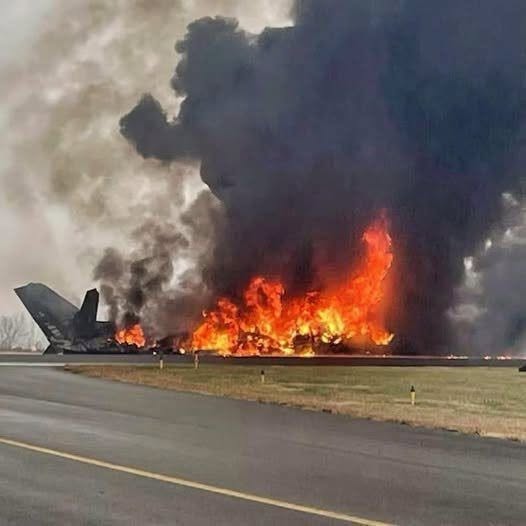
Cabin crew directed passengers toward emergency exits as evacuation slides were deployed. In emergencies like this, seconds matter. Passengers are instructed to leave personal belongings behind because bags can slow people down, block aisles, damage slides, or delay others trying to escape.
The safe evacuation of every passenger and crew member became one of the most important parts of the EK521 story. It showed how repeated training, clear commands, and disciplined procedures can make the difference when a routine flight suddenly becomes dangerous.
There was, however, a tragic loss after those on board had escaped. An airport firefighter died while responding to the blaze. His death remains a reminder that aviation emergencies do not end when passengers leave the aircraft; first responders continue facing serious risks while protecting lives and securing the airport.
What Investigators Looked At
After the accident, investigators reviewed a wide range of evidence to understand what happened. Their work included flight recorder data, cockpit communications, aircraft systems, maintenance records, weather conditions, and air traffic control communications.
One area examined was wind shear, a sudden change in wind speed or direction that can make landing more difficult. Investigators considered that factor along with other possible contributors before reaching their final conclusions.
This kind of investigation is central to modern aviation. Serious incidents are studied in detail not only to explain one event, but also to improve procedures, training, aircraft operations, and regulatory oversight across the industry.
The Bigger Picture
The accident also affected travel operations at Dubai International Airport, one of the busiest aviation hubs in the world. Flights were delayed, diverted, or rescheduled while emergency crews handled the scene and safety checks were completed.
For travelers, disruptions like this can create missed connections, extra hotel nights, rebooking issues, and added stress for families or business passengers. It is one reason many travelers pay attention to airline communication, flexible booking options, and travel insurance terms when planning major trips.
For airlines and airports, the incident reinforced the importance of emergency readiness. Aircraft evacuations, runway closures, firefighting response, passenger care, and operational recovery all require teams to work together under pressure.
Emirates Flight EK521 is remembered for both survival and sacrifice. Everyone on board made it out, but the loss of a firefighter showed the human cost carried by those who respond when an airport emergency unfolds.
Years later, the incident remains a powerful example of why aviation safety depends on preparation long before an emergency ever begins.