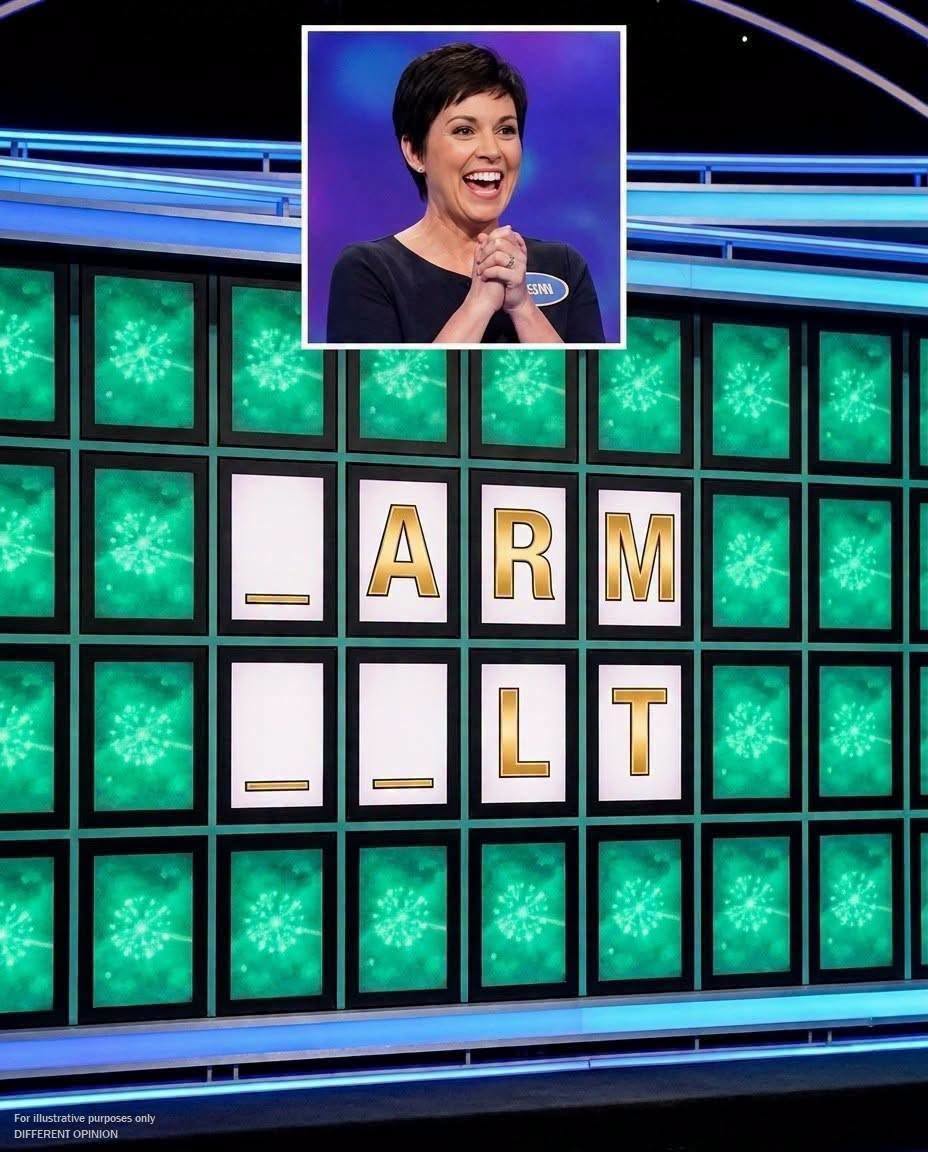
It was correct.
A Fast Answer With A Big Prize Attached
The solve reportedly earned her $65,000, a prize large enough to make the moment memorable on its own. But the money was not the only reason the clip drew attention.
What stood out was the speed. Viewers were struck by how little struggle appeared on her face before the answer arrived. She did not seem to be sounding out options or building the phrase piece by piece. To people watching, it looked less like a calculation and more like recognition.
That is part of what made the footage so replayable. Once people knew the answer, they went back looking for clues. Did she spot a pattern early? Did a certain letter unlock the phrase? Was there a visible moment when everything clicked?
The recording did not offer an easy explanation. She was not shown writing anything down, tracing letters in the air, or talking herself through a chain of guesses. The answer seemed to appear all at once.
Why The Moment Felt So Unusual
Audiences are used to seeing puzzle-solving presented as visible effort. A person studies the board, makes a mistake, corrects it, hesitates, and then finally lands on the solution. That familiar sequence gives viewers a way to follow along.
Here, the usual drama was missing. The contestant’s calm made the room feel even more intense by comparison. While the studio environment was built around pressure, she appeared almost detached from it.
That contrast helped turn a quick win into a small mystery. When someone looks nervous and then succeeds, the audience shares the relief. When someone looks composed and solves something instantly, the reaction is different: people want to know what they missed.
Some viewers described the moment as intuition. Others saw it as the result of experience with word patterns. Both ideas can be true at the same time. People who spend years reading, playing word games, or noticing common phrases may recognize structures before they can explain exactly how they got there.
In that sense, the solve may not have been magic. It may have been a fast mental shortcut built from familiarity, attention, and timing.
The Bigger Picture
Part of the appeal is that almost everyone has experienced a smaller version of this. A face becomes familiar before a name comes to mind. A song lyric finishes itself. A missing word suddenly appears after you stop forcing it.
Under normal circumstances, those flashes pass quietly. In this case, one of them happened on a studio stage with a reported $65,000 at stake.
The countdown may have added to the effect. Pressure often causes people to overthink, but it can also narrow attention. Instead of chasing every possible answer, she may have focused just enough for the remaining clues to settle into place.
That is why the clip continued to hold interest even after the outcome was known. The answer became obvious only after she said it, which is one of the most satisfying and frustrating things about puzzles. Confusion can last for several seconds, and then one detail changes everything.
Her win gave the moment a clear result, but her calm is what made it memorable. In a room designed to amplify tension, she found the answer before the audience had time to catch up.
Sometimes the most interesting part of a puzzle is not the solution itself, but the instant someone sees it before everyone else.