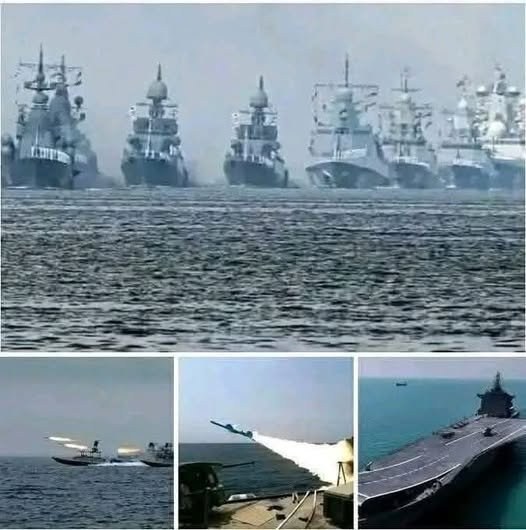
A cyberattack can disrupt government systems, companies, or public services without a single shot being fired. Sanctions can strain an economy without troops crossing a border. Support for an allied country can involve humanitarian aid, defense cooperation, intelligence sharing, and economic assistance rather than direct combat.
That is one reason headlines about the United States and global conflict often feel confusing. American involvement in tense regions can include diplomacy, strategic partnerships, aid packages, and coordination with allies. Those actions may look significant, but they are not the same as direct large-scale military engagement.
In Eastern Europe, for example, U.S. support has largely centered on economic assistance, defense cooperation, humanitarian aid, and working with allies. Those steps can influence the direction of a conflict, but they differ from sending American forces into direct combat operations.
Why Misinformation Spreads So Easily
Modern conflict is complicated, and complicated stories do not always travel well online. Social media rewards urgency, emotion, and simple narratives. International affairs rarely fit that format.
As a result, a nuanced development can be reduced to a dramatic claim. A diplomatic move may be framed as an act of war. A military exercise may be presented without context. A sanction may be described in language that makes it sound like an immediate battlefield escalation.
This does not mean global risks are imaginary. Security concerns are real, and tensions in one region can have consequences far beyond its borders. Businesses may review cybersecurity protections. Consumers may feel the effects through energy costs, inflation, or travel uncertainty. Governments may increase spending or shift foreign policy priorities.
But panic often makes people less informed, not more. The fastest post is not always the most accurate one, and the loudest claim is not always the clearest explanation.
What Readers Should Know
The safest approach is to slow down before accepting dramatic claims about global conflict. Reliable information usually comes from multiple verified sources, official statements, established reporting, and updates that provide context over time.
It also helps to watch for the difference between direct military involvement and other forms of pressure or support. Diplomacy, sanctions, cybersecurity activity, aid, and alliance coordination can all be important, but they do not automatically mean a country has entered a new war.
Behind the scenes, diplomatic meetings continue even when they do not dominate headlines. Representatives from different countries often meet to discuss security concerns, regional stability, and ways to reduce the risk of escalation. Those efforts may not spread quickly online, but they can be central to preventing a crisis from growing.
The bigger challenge is learning to live with uncertainty. Some global developments are serious but still unresolved. Some threats are real but not immediate. Some actions are aggressive without fitting into the older definition of war.
In a news environment built for speed, understanding global security requires patience. The most useful question is not always, What is the most alarming claim? It is often, What do verified facts actually show?
As international tensions continue to evolve, staying informed means looking beyond viral posts and paying attention to the quieter details that shape what happens next.