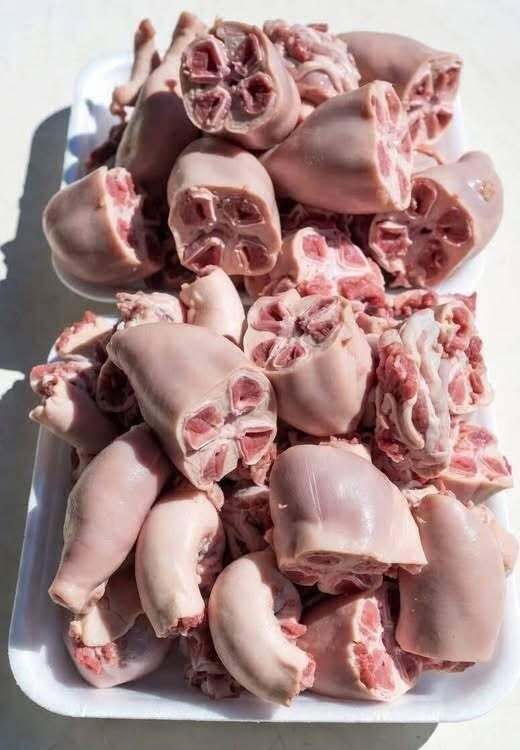
Why Viral “Meat Fraud” Posts Often Don’t Hold Up
The most alarming versions of these stories often suggest a coordinated effort to defraud shoppers across multiple suppliers and stores. Yet they frequently fail to provide the basics that a legitimate consumer warning would include—such as:
- Specific retailer names and locations
- Lot numbers, package codes, or supplier identifiers
- Links to official recall databases or inspection findings
- Court records or verified investigative reporting
Without those details, the claims land closer to click-driven speculation than a confirmed consumer protection report. That doesn’t mean food fraud never happens—it means sweeping accusations require real evidence before they’re treated as fact.
Food Labeling and Traceability Are Real Issues—And That’s Exactly Why Rules Exist
Concerns about food labeling accuracy, meat traceability, and supply chain transparency are legitimate. That’s why many countries require documented tracking systems that help connect meat products to their source and processing pathway.
When rules are broken, consequences are usually public and costly: mandatory recalls, financial penalties, lost supplier contracts, and sometimes law enforcement involvement. In other words, proven violations tend to leave a paper trail—especially in regulated markets.
Common “Red Flags” Often Have Normal Explanations
Many shoppers point to changes in texture, smell, or appearance as “proof” something is wrong. But those issues can also happen for routine reasons that have nothing to do with fraud, including:
- Temperature fluctuations during shipping or storage
- Differences between batches of livestock
- Packaging methods (vacuum-sealed vs. tray-packed)
- Normal variations in trimming and processing
That’s why it’s important to separate “this looks different than last time” from “this is confirmed misrepresentation.” One is a common shopping experience; the other is a serious claim that needs documentation.
How to Protect Yourself as a Shopper (Without Falling for Panic)
If you want to make smarter buying decisions—especially when paying premium prices—focus on practical steps grounded in verified information:
- Check labeling carefully (grade, cut, added solutions, and country-of-origin details where applicable).
- Buy from reputable counters and ask questions about sourcing if the store provides it.
- Look up official recall notices when a rumor mentions a specific product.
- Report concerns to local consumer protection or food safety authorities if you believe you have a real issue.
Until allegations are backed by confirmed regulator findings or documented investigations, the safest approach is to treat viral claims as unverified—and rely on official public health updates instead of generalized social media warnings.
Closing CTA
Have you noticed changes in meat quality or pricing at your local store lately? Share what you’re seeing in the comments—and if you want more practical tips on buying high-quality meat without overpaying, subscribe and check back for the next update.