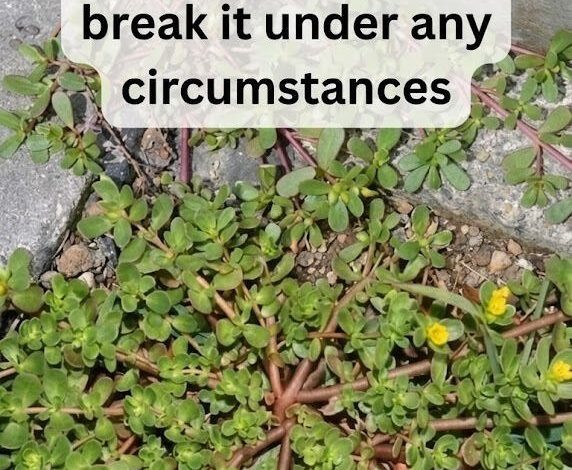
While it’s often ignored in modern suburban yards, purslane has a long culinary history in the Mediterranean, the Middle East, and parts of Asia, where it’s used in salads, cooked dishes, and even pickles.
A Rare Plant Source of Omega-3 Fatty Acids
One reason purslane stands out in nutrition circles is its reputation as a top plant-based omega-3 option. Many people associate omega-3s with foods like salmon or supplements, but purslane is frequently cited as a notable land-grown source of ALA (alpha-linolenic acid), a type of omega-3 found in plants.
Omega-3 fats are widely linked with overall wellness goals, including supporting:
- Heart health as part of a balanced diet
- Brain function and everyday cognitive performance
- Inflammation management through healthy lifestyle choices
Note: Nutrition needs vary, and omega-3 conversion in the body can differ from person to person. If you’re managing a medical condition, it’s smart to discuss dietary changes with a qualified professional.
Antioxidants and Vitamins That Support Everyday Wellness
Purslane isn’t just about healthy fats. It also contains a mix of naturally occurring compounds that people seek out in “super greens,” including:
- Vitamin C (commonly associated with immune support and collagen production)
- Vitamin E (known for its antioxidant role in the body)
- Beta-carotene (a precursor to vitamin A, often linked with eye health)
Some analyses also report that purslane contains glutathione and naturally occurring melatonin. These are well-known compounds in wellness discussions—glutathione for antioxidant activity and melatonin for its role in sleep cycles—though the practical impact from food sources can vary.
Key Minerals: Magnesium and Potassium
Modern diets can come up short on essential minerals, especially when meals lean heavily on ultra-processed foods. Purslane is often highlighted as a natural source of:
- Magnesium (involved in muscle function, energy metabolism, and nerve signaling)
- Potassium (important for fluid balance and normal heart rhythm)
These minerals are also commonly associated with supporting healthy blood pressure levels when combined with an overall balanced eating pattern.
Emerging Interest in Blood Sugar and Metabolic Support
Researchers have shown growing interest in purslane’s potential role in metabolic wellness. Early studies suggest it may support healthy glucose management as part of a broader lifestyle approach. While more research is still needed to fully understand the mechanisms and real-world impact, it’s one reason purslane continues to attract attention in nutrition conversations.
What Does Purslane Taste Like?
One of the best parts: it’s not a “take it like medicine” kind of food.
Purslane has a crisp, juicy texture with a flavor many people describe as bright, slightly lemony, and cucumber-like. The stems add crunch, and the leaves stay pleasantly tender.
Easy Ways to Eat Purslane
- Raw in salads for crunch and freshness
- Lightly sautéed with olive oil and garlic
- Mixed into omelets or scrambled eggs
- Blended into smoothies with fruit and yogurt
- Pickled for a tangy topping on sandwiches or tacos
A Sustainable “Crop” That Practically Grows Itself
From an eco-friendly standpoint, purslane checks a lot of boxes:
- Drought-tolerant and resilient in poor soils
- Typically needs minimal watering
- Often grows without synthetic fertilizers or heavy chemical inputs
- Works as a natural groundcover that can help reduce soil erosion
- Its flowers may attract pollinators like bees and butterflies
For anyone interested in low-maintenance gardening or budget-friendly healthy food, purslane is an appealing option.
Important Safety Tips Before You Eat It
If you plan to harvest purslane yourself, a few basic precautions matter:
- Harvest from clean areas only (avoid roadsides, parking lots, or places exposed to chemical runoff).
- Purslane naturally contains oxalates. If you have a history of kidney stones or have been advised to limit oxalates, consider moderation and consult a healthcare professional. Cooking can reduce oxalate content.
- Confirm identification before eating any wild plant. If you’re unsure, use a trusted guide or local expert.
Rethinking the “Weed” in Your Yard
Purslane is a reminder that some of the most valuable foods aren’t always found in expensive produce aisles. Sometimes they’re the hardy greens we’ve been pulling up for years—without realizing they’ve been valued in traditional cuisines for generations.
Have you ever seen purslane growing near your home? Share where you found it and how you’d cook it—and if you want more practical guides on edible backyard plants and budget-friendly nutrition, stick around and explore the rest of the site.