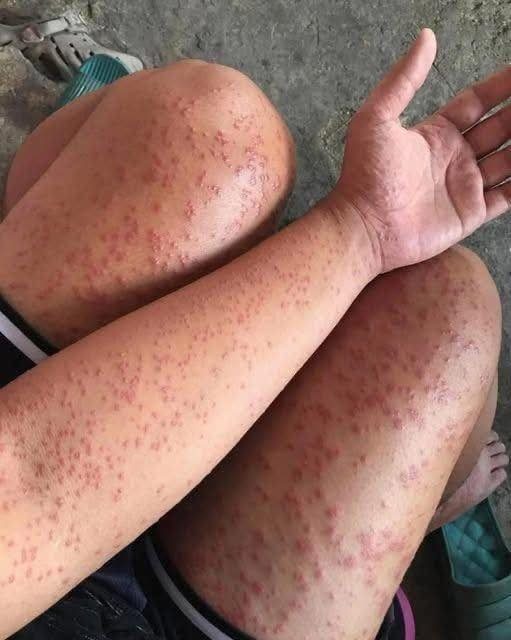
Breathing Changes Are the “Red Line”
If you notice hives and any breathing-related symptom, treat it as a medical emergency. Breathing issues may start subtly and then escalate fast. Watch for:
- Shortness of breath or feeling like you can’t get a full breath
- Chest tightness or pressure
- Wheezing or a whistling sound when breathing
- Throat tightness or a “lump in the throat” sensation
- Swelling of the lips, tongue, or face
- Hoarseness or trouble speaking clearly
Other serious warning signs can include rapid heartbeat, dizziness, fainting, or sudden confusion—often linked to dangerously low blood pressure. When multiple body systems are reacting at once, time matters.
Common Triggers That Can Strike Without Warning
Anaphylaxis can happen even if you’ve never had a severe reaction before. Triggers vary, and sometimes the cause isn’t obvious right away. Common culprits include:
- Food allergies (peanuts, tree nuts, shellfish, milk, eggs, sesame)
- Medications (certain antibiotics, pain relievers, and other prescriptions)
- Insect stings (bees, wasps, hornets)
- Latex or other environmental exposures
Because reactions can occur unexpectedly—sometimes in the middle of the night—people may waste critical minutes assuming it’s “just a rash.”
Why Waiting It Out Can Be Dangerous
It’s natural to downplay symptoms and hope they pass. But once breathing is involved, anaphylaxis can progress rapidly. In severe cases, the airway can swell and narrow quickly, and blood pressure can drop to life-threatening levels. Delaying care can lead to loss of consciousness or worse.
If hives are spreading and breathing feels even slightly “off,” don’t gamble with time.
What to Do Immediately (Emergency Steps)
If you suspect anaphylaxis, act right away:
- Call emergency services immediately (or your local emergency number).
- If prescribed, use an epinephrine auto-injector (such as an EpiPen) without hesitation. Epinephrine is the first-line treatment for anaphylaxis.
- Lie down if possible and raise the legs to support blood flow (unless breathing is easier sitting up).
- Stay with the person and monitor symptoms closely. Reactions can improve and then return (a “biphasic” reaction).
This article is for general information and does not replace medical advice. If you think you or someone else is having a severe allergic reaction, seek emergency care immediately.
Rash vs. Emergency: A Simple Way to Tell the Difference
A localized skin irritation—like mild contact dermatitis or a small cluster of insect bites—can be miserable but usually stays limited to the skin. The moment you see hives plus breathing symptoms, or hives plus signs of faintness or swelling around the mouth/throat, it’s no longer a routine skin issue.
Knowing that difference can save a life.
Final Takeaway
Your body often whispers before it screams. Sudden hives may be the first visible signal that something more serious is happening internally. Paying attention to the combination of skin changes and breathing or circulation symptoms can be the difference between a scary night and a preventable tragedy.
CTA: If this was helpful, share it with someone you care about—and tell us in the comments: have you ever mistaken hives or swelling for something minor before learning the warning signs?