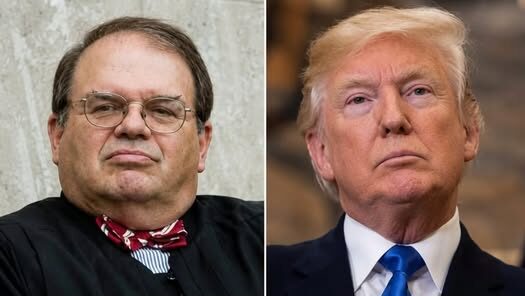
Questions About Military Standards
The broader debate extends beyond transgender service and touches on a longstanding question: who should decide military eligibility standards?
Historically, the armed forces have maintained strict requirements related to physical fitness, medical conditions, and overall readiness. Courts have often deferred to military leadership on such matters, recognizing the unique demands of military service.
At the same time, legal challenges frequently arise when policies are perceived as unfairly excluding specific groups, creating a complex balance between military discretion and constitutional protections.
What Happens Next?
While the court ruled against portions of the policy, not all restrictions were immediately affected. The appeals panel allowed certain limitations on new enlistments to remain in place while legal proceedings continue.
As a result, the issue is far from settled and could ultimately face further review in higher courts.
The outcome may have lasting implications not only for military personnel policies but also for broader debates surrounding civil rights, executive authority, and the role of the judiciary in reviewing military decisions.
For now, the ruling represents another chapter in a legal and political battle that continues to divide opinion across the country.
What do you think? Should military service standards be determined primarily by defense officials, the courts, or a combination of both? Share your thoughts in the comments and join the discussion below.