Changes linked to bile flow can also appear in some cases. These may include yellowing of the skin or eyes, called jaundice, dark urine, or pale-colored stools. These symptoms should be checked by a healthcare professional because they may point to a liver or bile duct problem, even if cancer is not the cause.
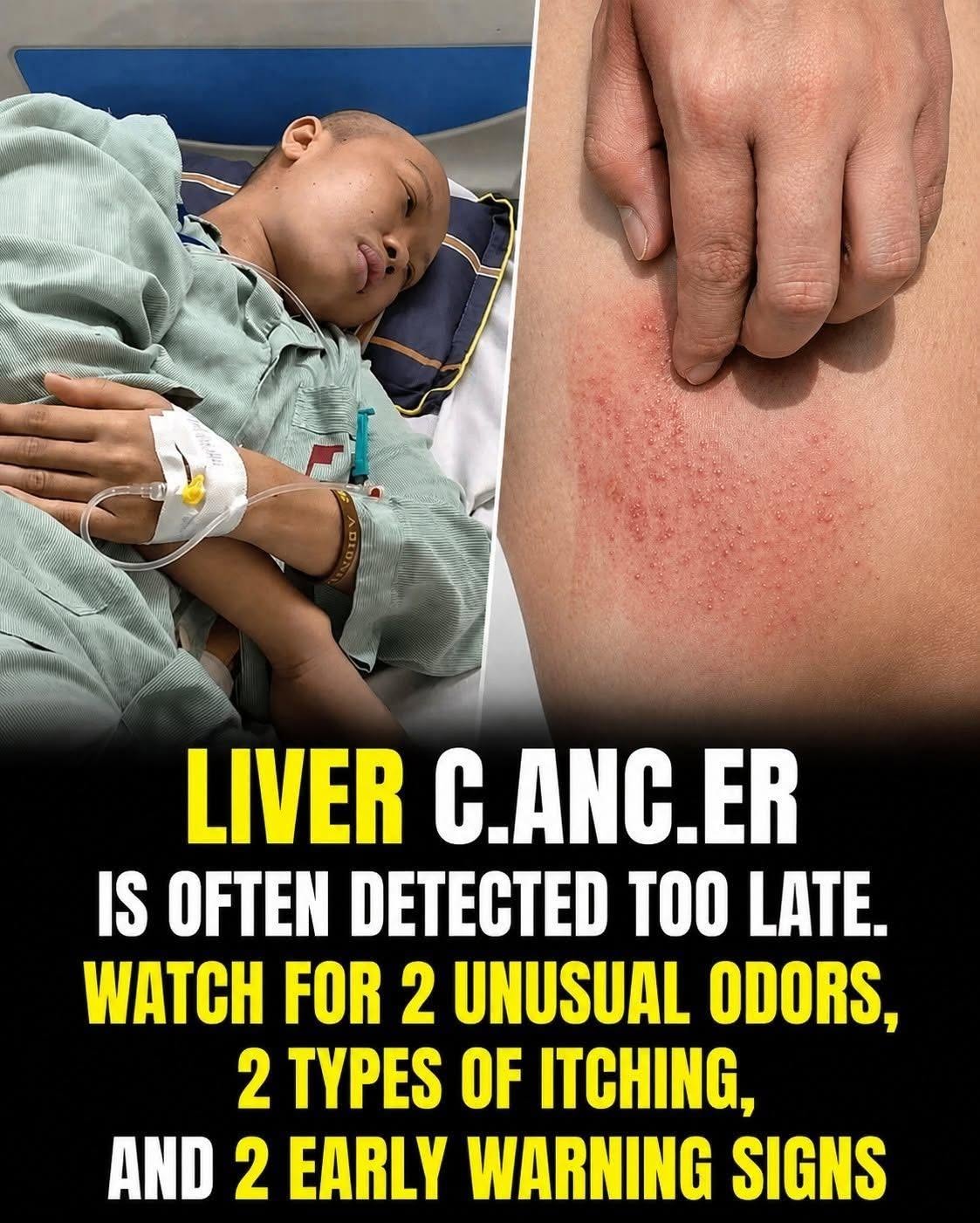
Persistent itching, medically known as pruritus, is sometimes connected with liver disease. It can happen when bile flow changes or certain substances build up in the bloodstream. However, itching is far more often caused by dry skin, allergies, eczema, kidney disease, medication side effects, or other common conditions.
Some people also hear claims that body odor or breath changes are early signs of liver cancer. In severe liver failure, a sweet or musty breath odor called fetor hepaticus can occur because certain chemicals build up in the body. But this is uncommon and is usually linked with advanced liver disease, not a reliable early warning sign of liver cancer.
The Risk Factors Matter More Than Viral Claims
The biggest risks for liver cancer are not unusual smells or a single symptom. They are conditions that damage the liver over time.
Long-term hepatitis B or hepatitis C infection, cirrhosis, heavy alcohol use, non-alcoholic fatty liver disease, obesity, type 2 diabetes, and exposure to aflatoxins can all raise the risk. People with these risk factors may need regular medical follow-up even if they feel well.
Doctors may recommend screening for people at higher risk, such as those with cirrhosis or chronic hepatitis B. Screening can include liver ultrasound exams and blood tests, often every six months, depending on a person’s medical situation and doctor’s guidance.
This is why routine healthcare visits are important. Many people do not feel liver problems developing, and waiting for obvious symptoms may delay diagnosis. For higher-risk patients, a planned screening schedule can be more useful than trying to interpret isolated symptoms found in online posts.
What Readers Should Know
Several everyday health steps can help support liver health and reduce the risk of liver disease. These include vaccination against hepatitis B, limiting alcohol use, maintaining a healthy weight, managing diabetes, avoiding smoking, and eating a balanced diet with fruits, vegetables, whole grains, and lean protein.
None of these steps guarantees that liver disease will never happen, but they can lower risk and support overall wellness. People who already have liver disease should follow their clinician’s advice about monitoring, treatment, and screening.
Medical attention is especially important for unexplained weight loss, persistent abdominal pain, jaundice, severe itching that does not improve, abdominal swelling, or symptoms that last for several weeks without a clear reason. These signs do not automatically mean liver cancer, but they should not be ignored.
The safest message is simple: do not rely on viral symptom lists to diagnose yourself. If something feels persistent, unusual, or concerning, a healthcare professional can help identify the real cause and decide whether testing is needed.
Understanding the difference between online claims and medically meaningful warning signs can help readers make calmer, better decisions about their health.