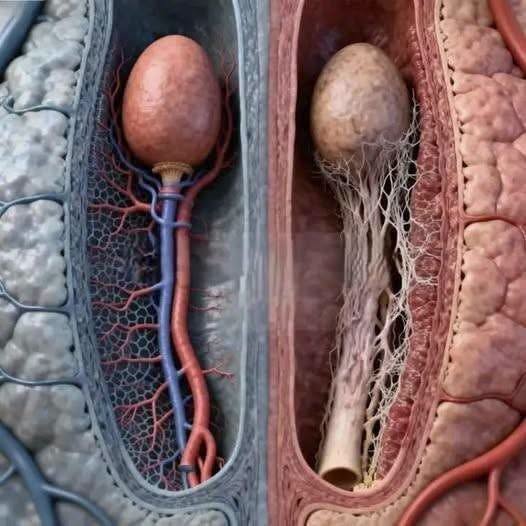
Aging changes the body in ways people expect, such as slower recovery, reduced stamina, or shifts in energy. But changes in male sexual and reproductive health are often left out of everyday conversations, even though they are common and can be tied to overall health.
Many men notice differences over time: arousal may take longer, firmness may change, desire may rise and fall, and recovery between sexual activity may not feel the same as it once did. Those changes can be unsettling, but gradual shifts do not always mean something is seriously wrong. They can be part of getting older, especially when circulation, hormones, nerves, medications, sleep, and stress are all involved.
What Aging Can Change
Healthy blood flow plays a major role in male sexual function. Erections depend on blood vessels that can move and hold enough blood. As people age, arteries may become less flexible or narrower, particularly in those with high blood pressure, diabetes, high cholesterol, or a history of smoking.
That is one reason persistent changes in erectile function should not be ignored. They may be related to blood-vessel health, and blood-vessel health also matters for the heart. A conversation with a healthcare professional can help determine whether the change is age-related, medication-related, or connected to a condition that needs attention.