The Desert Scene That Haunted Him for Life
One childhood moment, retold and reshaped over the years, became central to the mythology surrounding Morrison.
During a family road trip through New Mexico, the Morrisons came upon the aftermath of a brutal highway crash involving a truck carrying Native American workers. The scene was horrific—injured people, bodies on the roadside, chaos in the desert heat. For a child, it was the kind of image that doesn’t fade.
As an adult, Morrison returned to this memory repeatedly, sometimes describing it in mystical terms—suggesting that something “entered” him in that moment, as if the shock opened a door in his mind. Whether taken literally or symbolically, it’s clear the experience left a permanent mark, influencing the dark, spiritual, and unsettling themes that later surfaced in his writing.
UCLA, Venice Beach, and Cutting Ties With His Old Life
When Morrison moved to Southern California to study film at UCLA, he began separating himself from the world he came from. He didn’t just reinvent his style—he distanced himself from his past so completely that he often acted as if his family history didn’t exist.
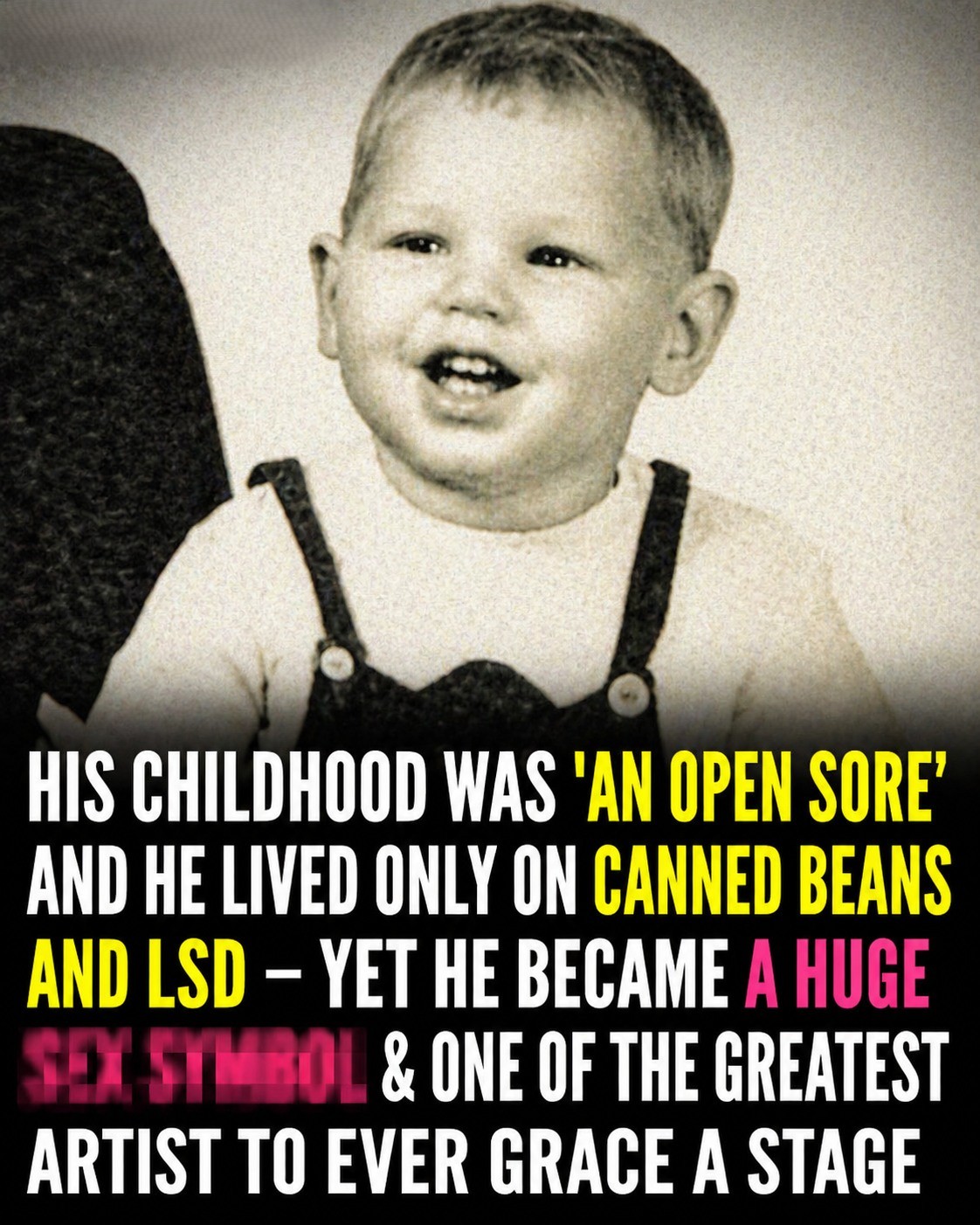
Instead of chasing stability, he drifted into a rougher, more uncertain life around Venice Beach. Stories from that era paint a picture of a young artist living on the edge—sleeping wherever he could, keeping his possessions minimal, and surviving on almost nothing. The “starving artist” cliché rarely rings true, but in Morrison’s case, the deprivation was real. Friends recalled long stretches where food was scarce and cheap basics—like canned beans—kept him going.
Poetry, Altered States, and the Notebooks That Became Rock History
During this period, Morrison wrote constantly. He wasn’t trying to craft radio-friendly lyrics—he was building a private universe on paper: fragmented poems, surreal images, and lines that felt half dream, half warning.
He also experimented heavily with mind-altering substances, which became closely tied to the era’s counterculture and to his own creative process. The result wasn’t just “wild behavior”—it was a shift in how he approached language, identity, and performance. The notebooks from this time would later feed directly into the songs that made The Doors famous.
Whatever people think of that lifestyle, it’s hard to deny the outcome: Morrison’s writing carried a rare intensity—like it was pulled from real fear, real longing, and real inner conflict, not manufactured for attention.
The Doors Ignite: A Band Built to Break Boundaries
When Morrison linked up with Ray Manzarek, along with guitarist Robby Krieger and drummer John Densmore, the pieces finally clicked. The band’s name—The Doors—signaled their mission: push past the ordinary, confront the hidden, and challenge what audiences expected from popular music.
Once they landed a steady gig at Whisky a Go Go on the Sunset Strip, word spread fast. Morrison didn’t perform like a typical frontman. His shows could feel like theater, confession, provocation, or chaos—sometimes all in the same night. He wasn’t just singing; he was testing limits: of the crowd, of the venue, of himself.
Dark Classics and a Legacy That Still Sells Records
Songs like “Light My Fire,” “The End,” and “Riders on the Storm” weren’t dark for marketing. They carried the weight of someone who lived with intensity and contradiction—drawn to beauty, yet obsessed with danger and the unknown.
His public image only grew more volatile over time, fueled by heavy drinking, controversy, and repeated clashes with law enforcement. That combination turned him into a symbol: not just of rock rebellion, but of what happens when fame collides with unresolved trauma and a self-destructive streak.
Morrison died in Paris at just 27, sealing his place in music legend. But the reason people still talk about him isn’t only the tragedy—it’s the work. The voice, the words, the atmosphere. The sense that something real was happening behind the performance.
Why Jim Morrison Still Matters Today
Decades later, Morrison remains a case study in music history: how a strict upbringing can produce radical rebellion, how early trauma can shape artistic identity, and how creativity can thrive even in poverty and instability. His story is a reminder that some of the most influential art doesn’t come from comfort—it comes from the edge.
Enjoy deep dives into rock legends, music history, and the real stories behind iconic albums? Share your thoughts in the comments—what do you think truly fueled Jim Morrison’s intensity: talent, trauma, or the times he lived in? And if you want more articles like this, subscribe/bookmark so you don’t miss the next one.