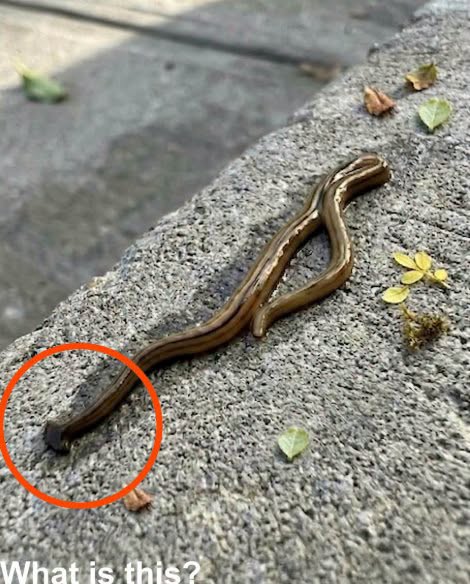
They may look strange, but their appearance is not just a curiosity. Hammerhead worms are predators, and they feed on small soil organisms, including earthworms.
Why This Matters for Gardens and Soil
Earthworms help support healthy soil by breaking down organic material and improving soil structure. For gardeners and homeowners, that can matter for lawns, flower beds, vegetable gardens, and overall yard health.
Because hammerhead worms can prey on earthworms, their presence may be a concern in some local ecosystems, especially where they are considered invasive. A single sighting does not always mean a yard is in trouble, but it is a good reason to pay attention and learn what local guidance recommends.
For anyone who spends money on landscaping, garden care, compost, or lawn maintenance, protecting soil health is not just a nature issue. It can also affect the time, effort, and cost involved in keeping outdoor spaces healthy.
What Readers Should Know
Even though hammerhead worms may appear harmless, direct contact is not recommended. Some species can produce substances that may irritate the skin, so it is safer to observe them without picking them up.
If one is found in a yard or garden, the best approach is to remove it carefully and follow local recommendations for handling invasive flatworms. Guidance can vary by area, so checking with local extension services or environmental resources is a practical step.
Small discoveries like this are a reminder that familiar places can still hold surprises. A sidewalk, garden bed, or patch of damp soil may reveal more about the natural world than most people expect.
Sometimes the most interesting things outside our homes are the ones we almost walk past.