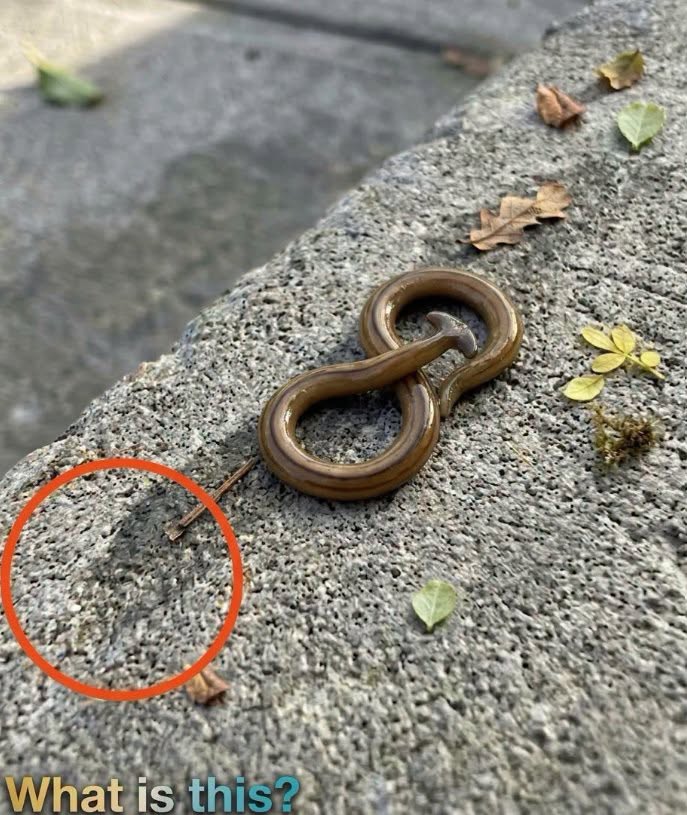
That was enough to make me curious, but also cautious. I did not try to pick it up, poke it, or move it. I simply watched from several feet away and let it continue across the damp soil.
After a few minutes, I took a photo so I could look it up later. Using reliable nature guides was far more useful than guessing based on a quick glance, especially because many small garden creatures can look similar at first.
What Readers Should Know
Finding something unfamiliar in a yard or garden is not unusual, especially after moisture brings hidden wildlife closer to the surface. But the safest approach is usually the simplest one: observe from a distance, take a clear photo if possible, and use trusted identification resources before deciding what to do next.
For homeowners and gardeners, this also matters because outdoor spaces are shared with many creatures that affect soil health, plants, and the local ecosystem. Not every strange-looking animal is dangerous, and not every unusual sight needs an urgent reaction.
Still, avoiding direct contact is a smart habit when you cannot identify something. A calm pause, a photo, and a little research can prevent unnecessary risk while helping you understand what is actually living around your home.
The Bigger Picture
What seemed at first like a strange worm became a reminder that small details can completely change how we understand something. The shape of the head, the smooth movement, and the glossy body all mattered once I slowed down enough to really look.
Sometimes the most interesting discoveries are waiting right outside the door — if we notice them before rushing past.