When “Just One Bug” Turns Into a Full-Blown Household Pest Issue
The replies came fast. And they weren’t comforting.
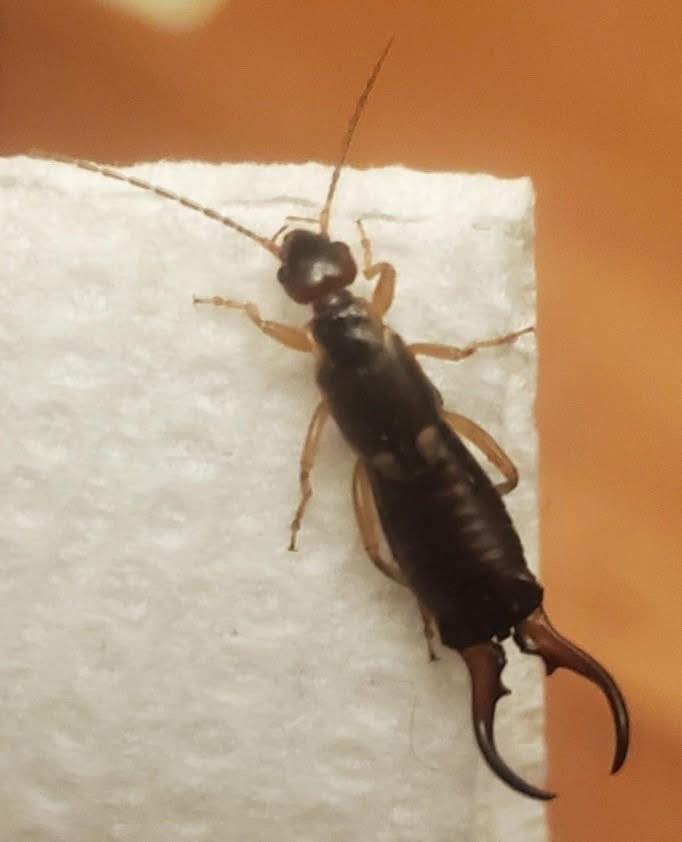
Within minutes, people identified the insect as an earwig. Even worse, my sister-in-law—who lives only a few blocks away—messaged me photos from her own home. Earwigs on the kitchen counter. Earwigs in laundry piles. Earwigs near the kids’ rooms.
That’s when it hit me: this wasn’t a random backyard encounter. It was an infestation creeping through our neighborhood.
Experts often describe earwigs as “mostly harmless,” but that doesn’t match how it feels when you find them indoors—especially when your child is the one who got hurt. Their armored bodies and those curved forceps make them look like something prehistoric. Seeing them in the garden is one thing. Seeing them where your family sleeps is another.
The Hidden Stress of a Bug Infestation (That Nobody Warns You About)
People talk about the mess, the inconvenience, the gross factor. What they don’t talk about enough is the mental load.
After that day, I started checking everything: sheets, pillows, corners of the bathroom, behind the hamper, under rugs. Every speck on the floor looked like it might move. Every shadow made me flinch. It’s exhausting, and it chips away at the one thing a home should give you—peace.
And like most parents, my first instinct was to fix it immediately. I started looking into pest control treatments, indoor sprays, perimeter chemicals—until I realized I didn’t want to fog my home with harsh products, especially around kids and pets.
A Budget-Friendly, Non-Toxic Earwig Trap Idea From Another Parent
In the middle of all the frantic advice online, one comment stood out. A parent in the group shared a simple approach she’d used during her own earwig surge: a basic trap using a common kitchen staple—olive oil.
I’ll be honest: it sounded too easy. But it also sounded safer than spraying chemicals around entryways and play areas. So I tried it.
How the Olive Oil Earwig Trap Works
Here’s the method, exactly as I used it:
- Grab a shallow bowl (or a low container).
- Pour in about ½ cup of olive oil.
- Place it where earwigs are active: near the back porch, by the garden shed, along the patio, or close to damp corners.
The idea is simple: earwigs are drawn in, but once they get into the oil, they can’t climb back out.
I set out three bowls that evening and tried not to get my hopes up.
The Next Morning Was Equal Parts Relief and Disgust
By the next day, the bowls had done more than I expected. They weren’t empty. Not even close.
Within 24 hours, we had caught a disturbing number. After about a day and a half, it was clear this wasn’t a fluke—this was a real, practical way to reduce the problem without turning our home into a chemical zone.
It didn’t magically erase every earwig overnight, but it made a noticeable difference fast—and it helped me feel like we had control again.
What I Learned About Earwigs, Home Protection, and Staying Ready
My son’s arm healed, but that week left an impression. If you’re dealing with earwigs, you’re not “overreacting” for wanting them gone. When bugs invade your living space, it changes how safe your home feels.
The biggest takeaway for me wasn’t just the trap—it was the reminder that shared community advice can be incredibly valuable. Sometimes the best solutions aren’t expensive exterminator packages or harsh sprays. Sometimes they’re simple, affordable, and already sitting in your kitchen.
And while you can’t control every part of nature, you can take smart steps to protect your space and your family.
CTA: Have you dealt with earwigs—or found a home remedy that actually worked? Share your experience in the comments so other families can learn what helps (and what doesn’t).