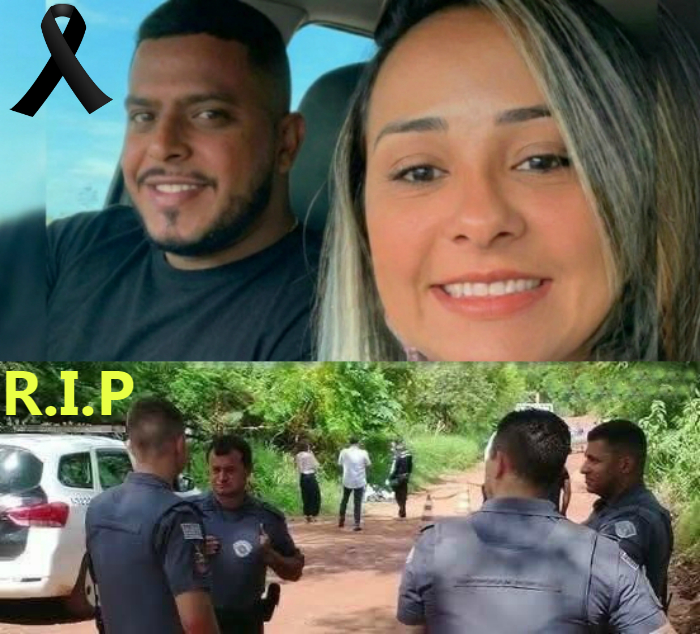
The Hidden Key to Healing After a Missing Person Tragedy: How One Community Turned Loss Into Lasting Support
When a missing persons case finally reaches its conclusion, the outcome rarely feels like the “closure” people imagine. For weeks—sometimes months—families live on adrenaline and hope, surrounded by search teams, urgent updates, and constant prayers for a safe return. Then the waiting ends, and the truth arrives. And even when answers are finally confirmed, the emotional weight doesn’t lift overnight.
In many cases, that moment marks the beginning of a harder chapter: learning how to live with an absence that can’t be fixed. The search may be over, but the grief is just getting started. It shows up in ordinary places—the quiet bedroom down the hall, the untouched seat at the table, the routines that suddenly feel unfamiliar. Facts can explain what happened, but they can’t teach a family how to breathe through the silence. That’s where something else becomes essential: real human connection.
When Tragedy Hits, Communities Often Reveal Their Strongest Side
After a sudden loss, something remarkable often happens in towns and neighborhoods: people who barely spoke before begin showing up for each other. A quick wave across the fence becomes a long conversation. Old friends reach out after years of distance. Even strangers—people who only recognized the missing person from a flyer or shared post—feel compelled to help.
It isn’t about curiosity. It’s about compassion.