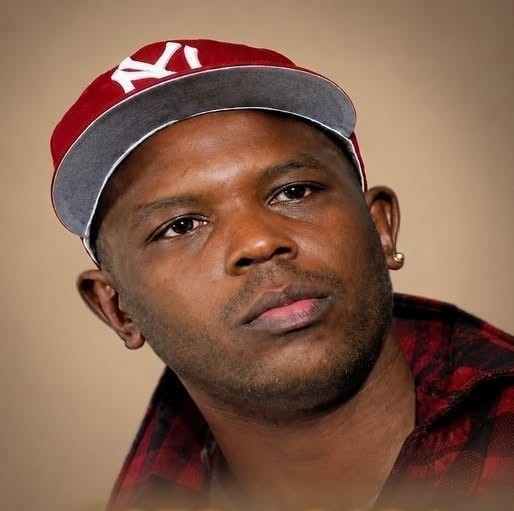
Wu-Tang Clan’s story is often told through the voices that changed hip-hop: the verses, the albums, the stage presence, and the unmistakable sound. But some of the group’s most important moves happened away from the studio, where strategy, branding, and long-term business thinking helped turn a rap collective into a cultural force.
Oliver “Power” Grant was one of the people who helped make that possible.
Grant, who has died at 52, is being remembered not just as someone connected to Wu-Tang Clan, but as a key figure in the broader vision that helped the group grow beyond music. His work reflected a major shift in hip-hop: artists and their teams were no longer thinking only about record sales. They were thinking about ownership, identity, fashion, and lasting cultural value.
Building More Than a Music Career
When Wu-Tang Clan emerged in the early 1990s, the group did not follow the usual industry blueprint. Instead of presenting its members as isolated solo acts competing for space, Wu-Tang built a collective identity that gave each artist room to stand out while still strengthening the larger brand.