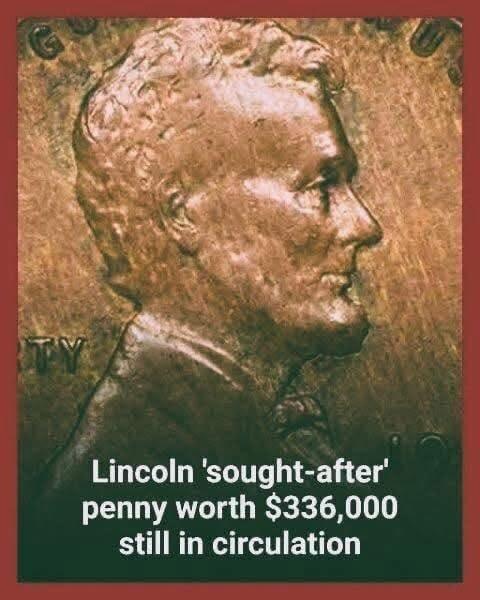
So where does the six-figure value come from?
The Wartime Mint Mistake That Created a Six-Figure Error Coin
During the switch from 1942 bronze planchets (blank coin discs) to 1943 steel planchets, a small number of leftover bronze planchets likely remained in the equipment at the Mint facilities. When the presses started striking 1943 pennies, those stray bronze blanks were stamped with the 1943 date.
The result: a tiny number of genuine 1943 bronze pennies were produced by accident, slipped through inspection, and were released into circulation alongside millions of steel cents.
Today, that kind of verified mint error—combined with wartime history and extreme rarity—creates the perfect storm for massive collector demand and high auction prices.
How Rare Is the 1943 Bronze Lincoln Cent?
Experts believe only a small handful exist, often estimated at around 20 or fewer across all mint locations. That scarcity is exactly why serious collectors and investors watch these coins closely. When an authenticated example hits the market, bidding can climb fast—especially for coins in strong condition with clear details.
One well-publicized sale reached $336,000, reinforcing the penny’s reputation as one of the most valuable Lincoln cents ever discovered.
A Real-Life Discovery: The “Lunch Money” Penny
One of the most memorable stories tied to this coin involves Don Lutes Jr., who reportedly received a copper-colored 1943 penny in change as a teenager in 1947. Even after being told by officials that such a coin “couldn’t exist,” he kept it for decades.
After many years, that same coin was authenticated and later sold at auction for more than $200,000. Stories like this are a big reason people still search their jars of old coins—because sometimes the rarest finds really did start as everyday change.
How to Tell If You Have a Valuable 1943 Penny (Quick Checks)
Not every brown-looking 1943 penny is a jackpot. Many steel cents were altered over the years—some were copper-plated as a novelty, and others were modified to fool buyers. If you think you’ve found one, here are a few basic checks collectors use:
1) The Magnet Test (Fastest Method)
- Steel 1943 pennies are magnetic and will stick to a magnet.
- A genuine 1943 bronze penny is not magnetic and won’t stick.
2) Weight Can Help
- Bronze cents typically weigh about 3.11 grams.
- Steel cents are lighter, around 2.7 grams.
3) Get Professional Authentication
If your coin passes the magnet test and looks promising, the next step is crucial: professional grading and authentication. Reputable third-party grading services can confirm whether it’s a real mint error or a modified steel cent.
Note: This article is for general information only and isn’t financial advice. Coin prices depend heavily on condition, authenticity, and market demand.
Why Collectors Pay So Much for This Penny
The 1943 bronze cent isn’t just valuable because it’s old. It checks every box that drives high prices in the rare coin market:
- Mint error rarity (a genuine production mistake)
- Historical significance (wartime material changes)
- Collector demand (Lincoln cents are widely collected)
- Mystery factor (few exist, and new finds make headlines)
Even in today’s world of digital payments, coins still carry stories—and sometimes serious value. That’s why checking dates, mint marks, and unusual features can be more than a hobby. It can be a real treasure hunt.
Final Thought: Check Your Change Before You Cash It In
Before you dump your coins into a counting machine or spend that old penny without thinking, take a closer look—especially at any 1943 Lincoln cents. A quick magnet test could tell you whether it’s ordinary or something worth investigating further.
CTA: Have you ever found an unusual coin in your pocket change? Share what you found in the comments—and if you want more guides on valuable pennies, rare U.S. coins, and error coin identification, bookmark this page and check back for the next post.