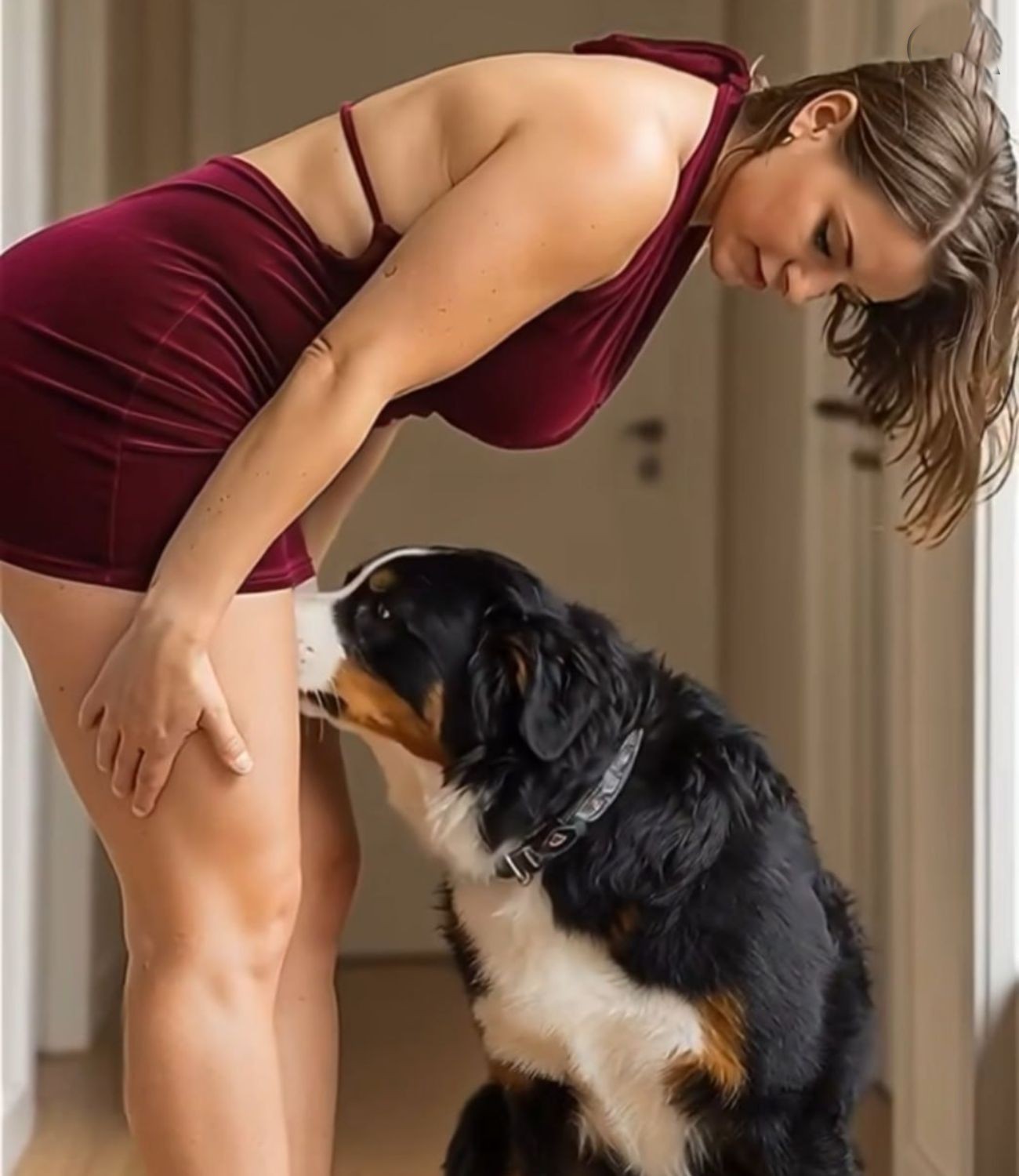
What Your Dog May Be “Learning” When They Sniff Someone
Sniffing is information-gathering. It’s how dogs confirm identity, assess safety, and understand what’s happening around them. While it’s not the same as “mind reading,” your dog may be detecting clues linked to:
- Stress or nervousness (subtle changes in sweat and hormones)
- Excitement (increased body heat, movement, and scent output)
- Recent activities (other pets, food, outdoor environments)
- Familiarity (whether this person has been around before)
To a dog, that quick sniff is a polite introduction. It’s the canine equivalent of saying, “Who are you, where have you been, and are we good?”
Why It Feels Embarrassing (and Why It Shouldn’t)
People often label sniffing as “rude” because we judge it using human social rules. But dogs don’t greet with handshakes or small talk. They greet with scent. Preventing all sniffing would be like asking a person to meet someone without speaking or looking at them.
That said, you don’t have to allow your dog to invade anyone’s personal space. Understanding the behavior doesn’t mean letting it happen without boundaries—especially around guests, children, or in public places.
How to Teach Polite Greetings Without Shutting Down Natural Instinct
The goal isn’t to stop sniffing—it’s to shape it into calm, controlled behavior. With consistent dog training, you can keep greetings respectful while still letting your dog do what comes naturally.
Practical options that work well for many families include:
- Teach a “sit to say hello” routine before your dog approaches anyone.
- Use a release cue (like “okay” or “go say hi”) so your dog learns permission matters.
- Reward calm behavior with treats or praise, especially when guests arrive.
- Redirect over-excitement by creating space, using a leash, or practicing greetings in short sessions.
This approach supports better behavior without turning normal canine communication into something your dog gets punished for.
Your Emotions Matter More Than You Think
Dogs are experts at reading body language, tone, and tension. If you feel embarrassed or anxious when your dog greets someone, your dog can pick up on that shift—and may become more unsure, jumpy, or overly intense.
When you stay calm and consistent, your dog is more likely to mirror that steadiness. In many homes, the biggest behavior breakthroughs happen when the human changes their response as much as the dog changes their habits.
The Takeaway: Sniffing Is Communication, Not Misbehavior
Once you see sniffing for what it is—your dog’s primary way of gathering information—everything becomes easier to interpret. Walks become more enriching. Greetings become more manageable. And your relationship becomes less about constant correction and more about cooperation.
Your dog isn’t being weird. They’re doing exactly what nature designed them to do. Your job is simply to guide that instinct in a way that fits safely and politely into everyday life.
Want more practical dog behavior tips? Share in the comments: does your dog sniff everyone—or only certain people? And if you found this helpful, bookmark this page and check back for more training-friendly guides.