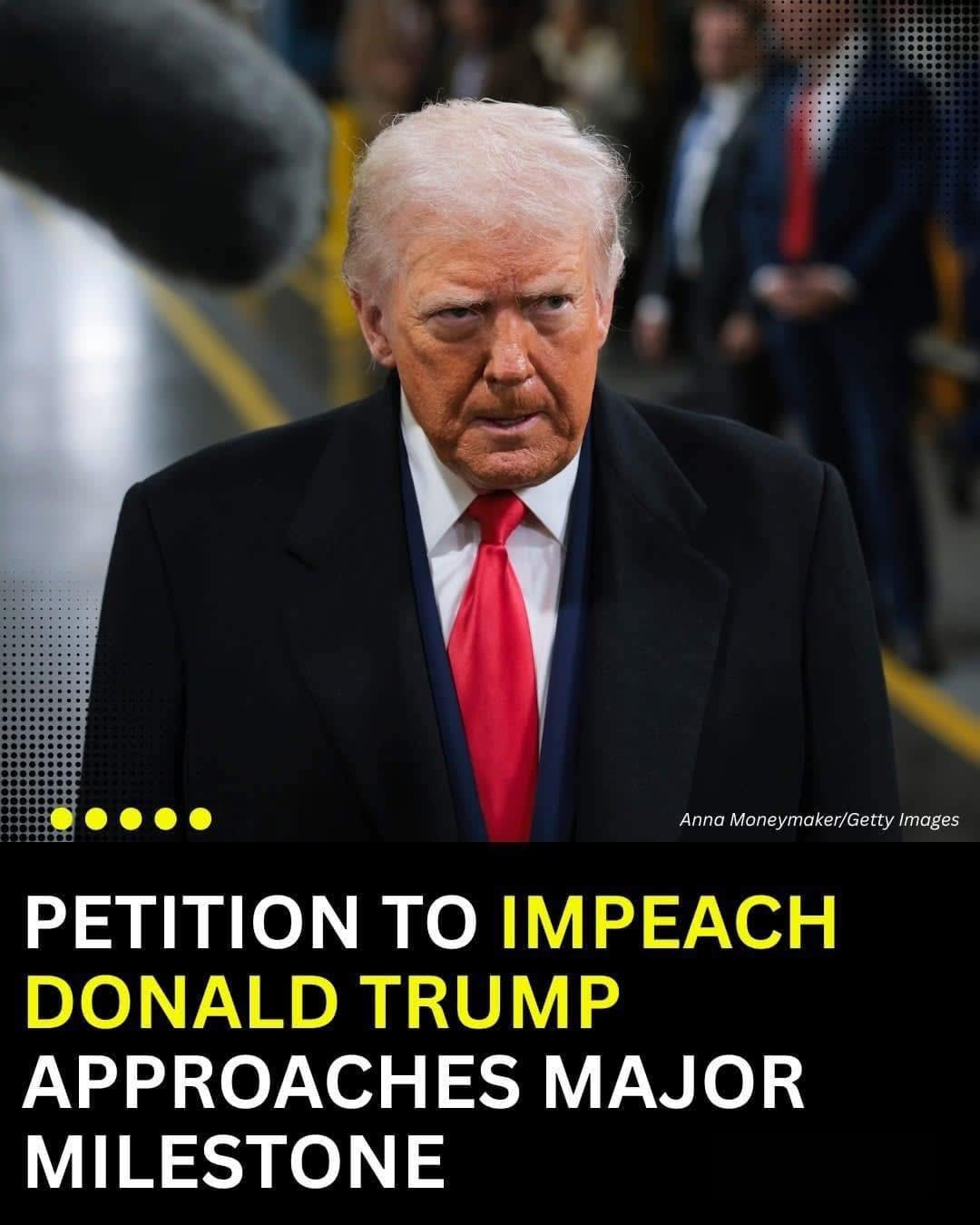
A Polarizing Response in a Divided Political Climate
As expected, the petition has triggered sharp disagreement. Critics say these campaigns deepen partisan conflict and keep the country trapped in a cycle of political retaliation. From that perspective, reopening old battles distracts from urgent priorities like inflation, healthcare costs, national security, and job growth. Opponents also argue that the legal and political system has already delivered its outcomes, and that continuing the fight online only amplifies anger without producing results.
Supporters counter that calls to “move on” can sound like a demand to forget. They argue that national unity cannot be built on silence or selective memory—and that accountability is not a grudge, but a core requirement of democratic leadership. The petition’s steady momentum suggests that, for many Americans, the underlying concerns never felt resolved in the first place.
The Internet Has Become a Permanent Public Square
One of the biggest changes in modern politics is that the conversation no longer ends when a vote is counted or a news cycle fades. Online platforms have created a 24/7 public forum where debate can continue indefinitely—shared, archived, revisited, and amplified at any time. In earlier eras, the closing of a courtroom case or a congressional proceeding often signaled finality. Today, digital communities can keep pressure alive for years.
That’s why movements like this petition can grow quickly and persist: they’re not limited by geography, traditional media gatekeepers, or the cost of organizing in person. Whether people view it as productive or performative, it reflects a modern reality—public judgment now unfolds in real time, and it rarely has a clean ending.
Why Signing Feels Powerful to Many People
There’s also a human element behind the numbers. For many signers, clicking “sign” is a small but meaningful act of agency. In a political environment where decisions can feel dominated by powerful donors, lobbying networks, and insider negotiations, a public signature can feel like reclaiming a piece of democratic participation.
It’s not just about one politician. It’s about the broader belief that citizens should have accessible tools to express dissent, demand oversight, and push for ethical leadership—especially when they feel institutions are moving too slowly or not responding at all.
A Wider Argument About Standards for Leadership
Over time, the petition has grown into something bigger than its headline. It has become a proxy fight over what Americans expect from presidents and high-ranking officials. Supporters say they want future leaders—regardless of party—to understand that violations of public trust will be tracked, discussed, and remembered. In that sense, the petition becomes part of the historical record, a visible marker of what a segment of the public considered unacceptable.
This is also why the movement resonates in an era of declining trust in institutions. When confidence in oversight mechanisms drops, people look for alternative channels to express outrage, document grievances, and organize collective action. Online petitions, for better or worse, have become one of the easiest and most common tools for that purpose.
What This Movement Really Changes
The petition may not rewrite the law, but it can reshape the narrative. It keeps accountability in the national conversation and signals that political memory is not as short as strategists sometimes assume. To supporters, that alone is the point: ensuring that certain events and allegations don’t quietly disappear into the background noise of the next election cycle.
Whether you see the campaign as a necessary demand for transparency or an unhelpful source of division, its impact is hard to deny. It demonstrates the growing influence of digital activism—and the way ordinary citizens now use online platforms to challenge power, organize messaging, and keep pressure on leaders long after official proceedings end.
What do you think? Is online activism an effective way to demand government accountability, or does it deepen political division? Share your perspective in the comments—and if you found this breakdown useful, consider subscribing or bookmarking the site for more updates on U.S. politics and civic engagement.