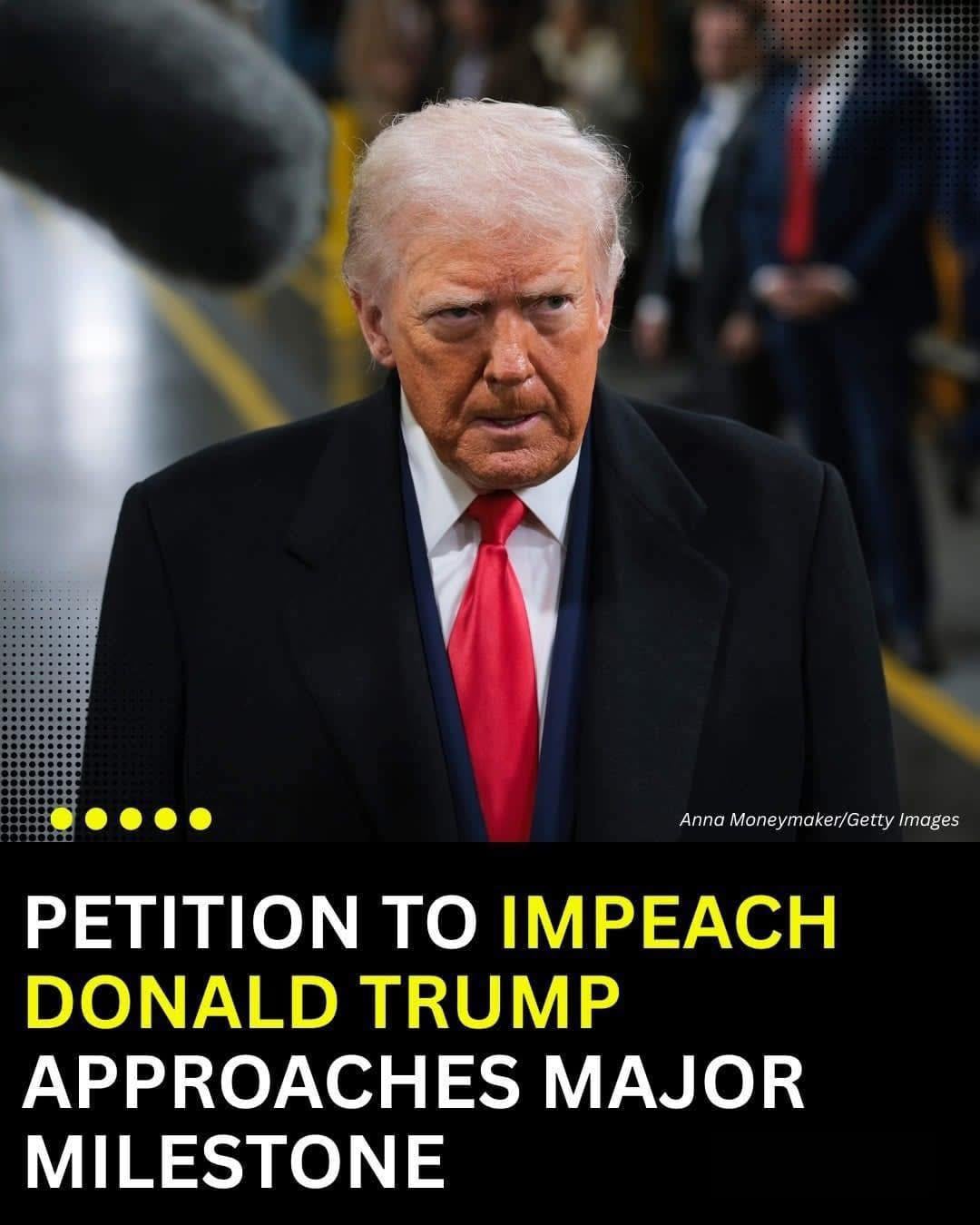
Why the Petition Is So Polarizing
The movement has also reignited a familiar national argument. Critics say these campaigns deepen political division and keep the country stuck in the past. From that perspective, online petitions can look like symbolic gestures that generate clicks, spark anger, and distract from current issues such as inflation, health care costs, job growth, and national security.
Supporters respond with a different view: they argue the country can’t “move on” from unresolved concerns simply because election cycles change. The petition’s continued momentum suggests many people don’t feel closure—especially those who believe powerful public officials are often insulated from consequences in ways ordinary citizens are not.
The Bigger Shift: Politics Now Has a Permanent Digital “Town Square”
One reason this petition is drawing so much attention is that the internet has reshaped how political judgment is formed. In previous decades, a congressional vote, court decision, or official report often ended the conversation for most of the public. Today, debates don’t vanish—they live online, archived, shared, reposted, and re-litigated in real time.
Social platforms and petition sites have effectively created a permanent public square where citizens can organize without traditional gatekeepers. Whether people agree with the petition or not, it reflects a major shift in civic engagement: political pressure can now be sustained digitally, at scale, and for long periods of time.
Why People Sign: A Search for Voice and Control
For many signers, the act is deeply personal. Putting your name on a petition can feel like reclaiming a small piece of power in a system that often seems dominated by professional politicians, major donors, and high-dollar lobbying groups. It’s a low-barrier form of participation that offers something many people crave: agency.
That emotional component matters. When trust in institutions declines, citizens look for alternative ways to express dissent, demand answers, and connect with others who share the same concerns. In that sense, petitions have become a modern tool of grassroots organizing—simple, fast, and highly visible.
Beyond One Person: A Broader Conversation About Ethics and Leadership
Although the petition focuses on Donald Trump, the larger issue it raises is about standards in public office. Many supporters say they want clearer expectations for presidential conduct, stronger ethical guardrails, and a historical record that reflects public concern—not just official outcomes.
Seen through that lens, the petition becomes part of a broader debate about how democracies enforce accountability, what consequences look like for leaders, and whether voters believe the system applies rules evenly across wealth and status.
What This Movement Really Signals
The most important impact of the petition may not be legal—it may be cultural. It signals how deeply skepticism toward institutions has grown, and how quickly people now mobilize online when they feel unheard. This is the modern version of a town-square protest, built for the digital economy: shareable, scalable, and difficult to ignore.
Whether someone sees this campaign as a necessary demand for transparency or an unhelpful political flashpoint, it underscores a key reality of the internet era: public narratives don’t end when officials declare them over. They continue as long as citizens keep showing up.
What do you think—are online petitions a meaningful tool for democracy, or mostly symbolic? Share your perspective in the comments, and if you found this analysis useful, pass it along to someone who’s following the debate.