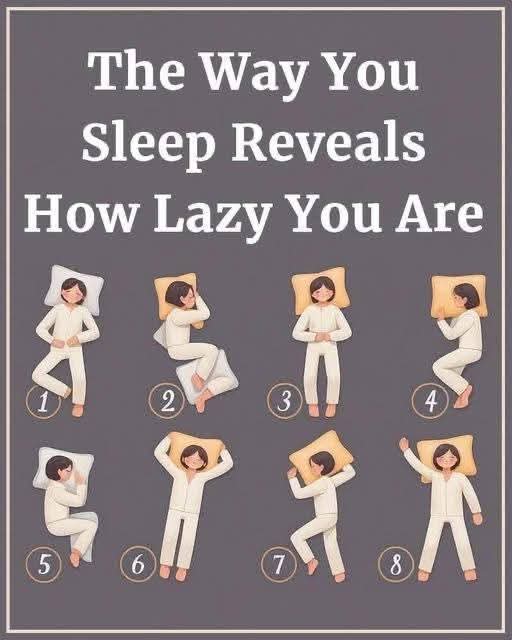
Common traits: dependable, hardworking, emotionally “strong,” often the one others lean on.
For many sprawlers, that wide-open posture is less about laziness and more about the body finally asking for space. It’s a physical way of saying, “I’ve been holding it together all day—now I need to let go.”
Helpful reset: build a wind-down routine that signals safety (dim lights, slow breathing, a warm shower). It can improve relaxation and make it easier to fall asleep.
2) The Classic “Curler”: Side Sleeping with Hands Near the Chest
If you sleep on your side with your hands tucked near your chest, chin, or pillow, you may be someone who naturally supports others. Curlers are often emotionally tuned-in people—great listeners, thoughtful friends, and reliable partners.
Common traits: empathetic, caring, mentally active, prone to overthinking.
This position can reflect a nervous system that stays “on” even after bedtime—replaying conversations, planning tomorrow, or worrying about what could go wrong. When curlers wake up tired after a full night’s sleep, it can be a sign they’re carrying too much emotional weight.
Helpful reset: try a simple brain-dump journal before bed. It can reduce racing thoughts and support better sleep.
3) The Stomach Sleeper: Face Down, Arms Under the Pillow
Stomach sleeping is often linked to people who like to take charge. If you naturally sleep face down, you may be a planner, a problem-solver, and someone who prefers to stay in control of your environment.
Common traits: driven, organized, protective, goal-focused.
At the same time, stomach sleeping can also hint at hidden tension—especially for people who feel responsible for keeping everything stable. The “face-down” posture may reflect a desire to block out stress and shut the world off completely.
Helpful reset: if you wake up sore, consider small adjustments like a thinner pillow or supportive mattress options to improve spinal alignment and comfort.
4) The Back Sleeper: Flat on the Spine, Arms at the Sides
Back sleepers often appear calm and composed. This position can reflect independence and self-control—people who keep it together and don’t easily ask for help.
Common traits: steady, private, disciplined, strong sense of responsibility.
But sometimes, that “stillness” is also a sign of pressure. Back sleepers may carry expectations quietly, pushing through without sharing what they need. Learning to lean on trusted people can reduce stress and support more restful nights.
Helpful reset: if stress is high, try progressive muscle relaxation to teach the body it’s safe to soften.
5) The Fetal Sleeper: Tightly Curled, Knees Pulled In
This is one of the most common sleep positions—and one of the most emotionally revealing. Curling into a tight ball is an instinctive protective posture. It can show up when someone has been through a lot, even if they rarely talk about it.
Common traits: sensitive, resilient, loyal, quietly strong.
If you wake up with tight hips, sore shoulders, or clenched muscles, your body may be signaling that it’s still bracing—even during rest.
Helpful reset: gentle stretching before bed and supportive pillows (between knees or behind the back) can improve comfort and sleep posture.
6) The “Immovable” Sleeper: Falls Asleep and Doesn’t Move
If you wake up in the exact position you fell asleep in, it can reflect a personality that values structure and commitment. These sleepers often push through discomfort and keep going no matter what.
Common traits: determined, consistent, high standards, mentally tough.
The downside? Sometimes that same strength turns into rigidity—difficulty relaxing, difficulty delegating, difficulty mentally “clocking out.” True rest requires permission to loosen the grip.
Helpful reset: create a consistent bedtime routine that includes a clear “end of day” boundary (no work messages, no heavy conversations right before sleep).
What Your Sleep Position Really Says
Your favorite sleeping position isn’t proof of laziness. More often, it’s your body’s quiet way of processing the day—your stress level, your emotional load, and how safe you feel when you finally stop performing and producing.
If you wake up sore, restless, or unrefreshed, don’t just blame your pillow. Consider asking yourself:
- Am I carrying responsibilities that aren’t mine to carry?
- Am I giving everyone else my best energy and leaving myself the leftovers?
- What would it look like to rest without guilt?
Sleep isn’t just “shutdown mode.” It’s recovery—physical, mental, and emotional.
Quick CTA
Which sleep position sounds most like you? Share it in the comments—and if you want more practical tips for better sleep, stress management, and building a healthier bedtime routine, bookmark this page and check back for the next post.