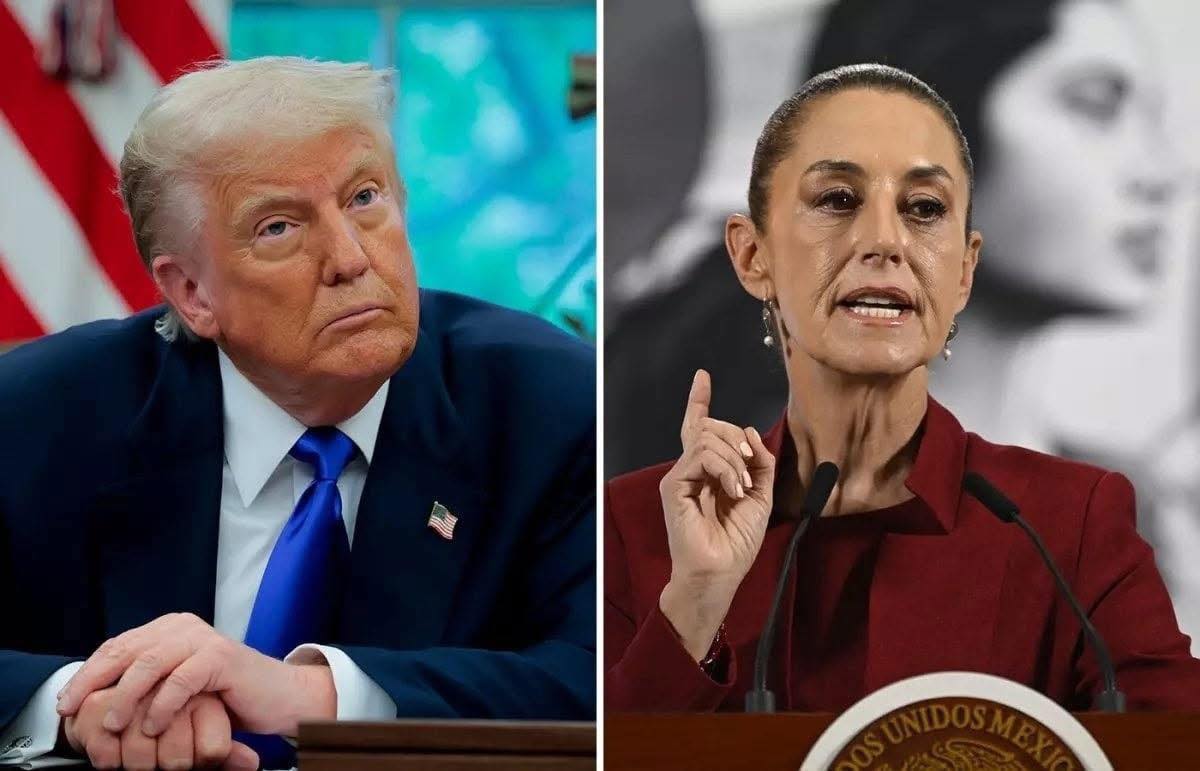
This is why many governments are choosing carefully worded statements—calling for restraint while preparing for volatility. The public posture may sound familiar. The underlying anxiety is new.
What Happens to Nuclear Oversight After a Strike?
The strikes also raise difficult questions about the future of nuclear verification. The International Atomic Energy Agency (IAEA) is built to monitor, inspect, and verify—not to operate in the aftermath of craters and burning infrastructure. When surveillance systems, sealed monitoring equipment, and inspection routines are disrupted, transparency collapses. And when transparency collapses, suspicion grows—on all sides.
That loss of visibility may prove as destabilizing as the military action itself, because verification is one of the few tools the international community has to reduce miscalculation in nuclear disputes.
The UN’s Familiar Language, and an Unfamiliar Fear
At the United Nations, calls for “de-escalation” and “restraint” will echo as they always do. But behind the scripted diplomacy is a growing concern that established norms—sovereignty, deterrence, and arms-control enforcement—are being replaced by something colder: the belief that whoever acts first shapes the next decade.
If that mindset takes hold, it won’t just affect Iran and the United States. It could influence how other states handle future flashpoints—pushing more conflicts toward preemptive action, faster escalation, and fewer off-ramps.
What Determines Whether This Becomes a Wider War?
Whether the 2026 strikes become a turning point toward renewed diplomacy—or the start of a longer, more dangerous confrontation—will depend less on public speeches and more on private decisions: what is authorized quietly, what is delayed, and what is signaled through back channels before the next crisis window opens.
In moments like this, silence can be strategy—and dawn can bring consequences.
What do you think happens next? Share your perspective in the comments, and if you want more clear, fast updates on global security, energy markets, and geopolitics, subscribe or follow for the next analysis.