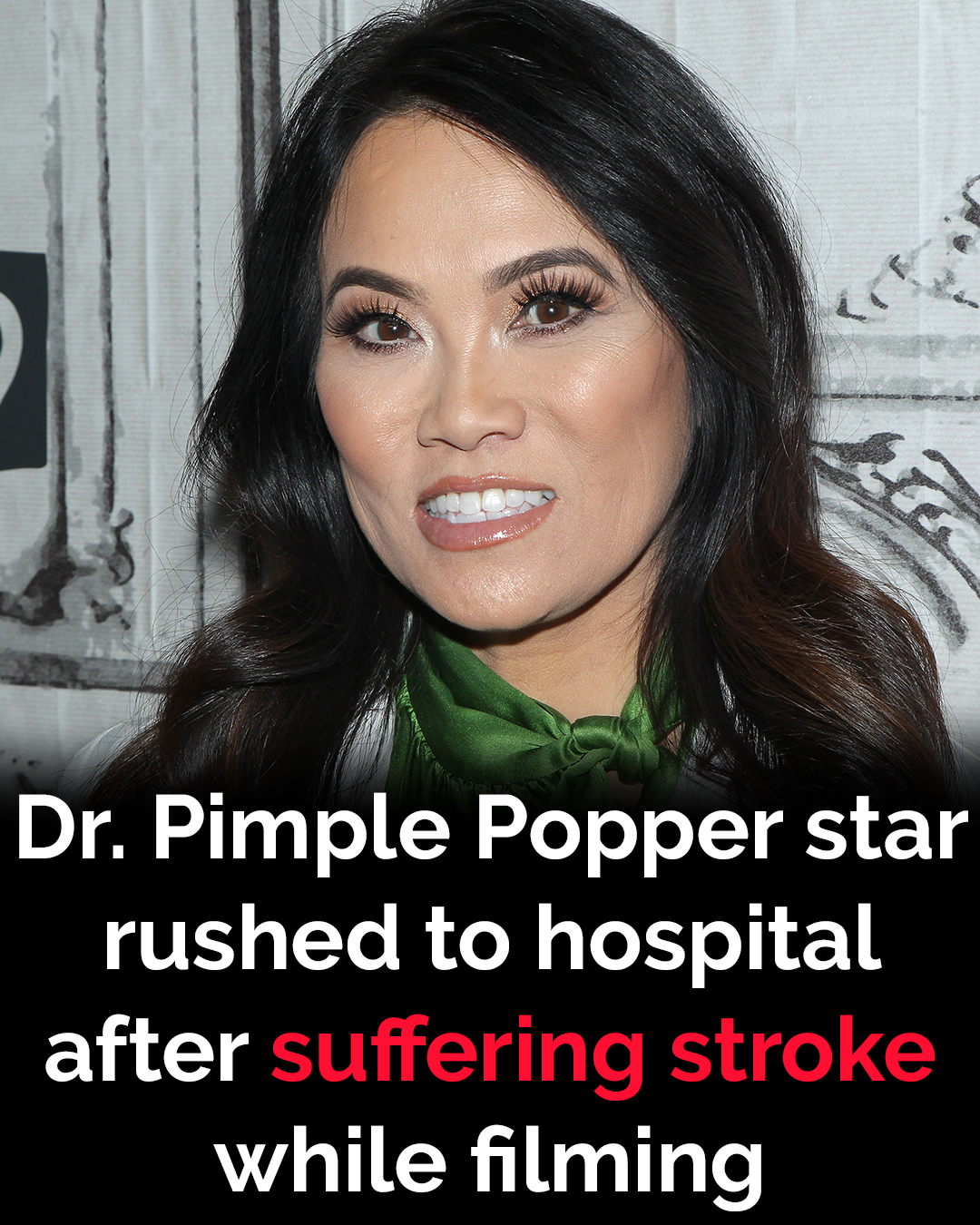
When Symptoms Escalated, Everything Changed
Later, after returning to her parents’ home, the discomfort intensified. She became increasingly restless, and then she felt a sharp, unexplained shooting pain in one leg. Soon after, her coordination began to fail.
Walking became difficult. One side of her body felt heavy and unresponsive. When she tried to hold her hand up, it dropped—like the signal between her brain and muscles had suddenly weakened.
The most alarming moment came when she tried to speak. Her words didn’t come out normally. Her speech became slurred and difficult, a classic red flag that something serious was happening.
The Diagnosis: An Ischemic Stroke
At that point, she faced the question no one expects to ask themselves mid-career: “Am I having a stroke?”
She made the decision that saved her life—she sought emergency care immediately. Doctors confirmed she had suffered an ischemic stroke, which happens when a blockage prevents oxygen-rich blood from reaching the brain. In stroke care, minutes matter. Fast treatment can reduce long-term damage and improve recovery outcomes.
Recovery Meant Stepping Away From the Spotlight
After the stroke, Dr. Lee had to pause filming and focus on healing. Instead of working with patients and cameras, she committed to weeks of physical therapy, working to rebuild strength and regain the fine motor skills essential to her profession.
The recovery wasn’t only physical—it was emotional. The experience shattered the illusion that being “healthy” or “high-functioning” makes someone immune. Simple tasks became milestones. Every steady step and every clearly spoken sentence felt like a hard-earned victory.
A New Focus on Stroke Prevention and Heart Health
Now in her mid-50s, Dr. Lee has returned to her work with a different view of wellness—one rooted in prevention and awareness. She has spoken about taking stroke risk factors more seriously, including:
- Managing stress and workload
- Monitoring blood pressure
- Keeping cholesterol in check
- Paying attention to unusual symptoms instead of dismissing them
She’s also using her platform to encourage conversations about stroke awareness—because delays in treatment can be devastating, and many people still don’t recognize the early symptoms.
The FAST Rule: A Simple Way to Spot a Stroke
One of the most important tools she highlights is the FAST method, a widely used guide for identifying stroke symptoms quickly:
- F — Face: Does one side droop when smiling?
- A — Arms: Is one arm weak or drifting downward?
- S — Speech: Is speech slurred or hard to understand?
- T — Time: Call emergency services immediately—don’t wait.
The final letter matters most: Time. Stroke treatment is extremely time-sensitive, and getting help quickly can be the difference between recovery and lifelong disability.
The Takeaway: Don’t Ignore “Minor” Symptoms
Looking back, Dr. Lee has reflected on how easily she could have stayed in bed, waited it out, and assumed the symptoms would pass. The sweating, fatigue, and leg pain could have seemed like the cost of a demanding schedule.
But those “small” signs were early tremors of something much bigger.
Her story is a reminder that listening to your body isn’t overreacting—it’s smart. And acting quickly during a medical emergency can save your life.
Medical note: This article is for informational purposes only and is not a substitute for professional medical advice. If you suspect stroke symptoms, seek emergency care immediately.
CTA: Have you or someone close to you experienced a health scare that changed how you think about wellness? Share your thoughts in the comments—and if this helped, pass it along to someone you care about.