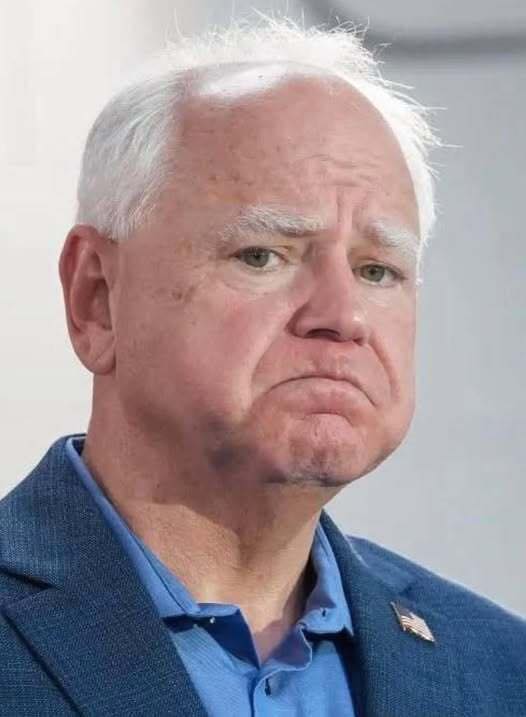
And that’s exactly why his national moment has become such a high-stakes conversation: can steady, “get-it-done” leadership still win in a climate driven by polarization and constant conflict?
Why Political Strategists Are Paying Close Attention
Once the campaign machine kicked into full gear, the national media followed—fast. Every policy decision, every vote, every budget priority from his time in office became material for debate. Pundits dissected everything from education funding and infrastructure investment to broader questions about economic policy and public-sector priorities.
In the world of national elections, that scrutiny is inevitable. One side frames him as proof that competence and coalition-building still matter. The other argues that moderation and compromise can be liabilities in an electorate demanding sharper ideological lines.
Either way, the underlying reason this matters is simple: the country is watching for signals about what kind of leadership can still earn trust—especially among independents, working families, and voters exhausted by political chaos.
The “Minnesota Factor”: A Different Kind of Political Identity
Back home, the conversations often sound very different from what you hear on cable news.
In diners and coffee shops, people aren’t always talking about swing-state math or electoral strategy. They’re talking about the surreal experience of seeing familiar streets filled with satellite trucks, security details, and reporters broadcasting from landmarks locals pass every day.
For many who’ve interacted with Walz up close, the defining trait isn’t flash—it’s accessibility. They describe someone more likely to sit down and listen than to perform for the cameras. That “regular person” reputation—teacher, coach, public servant—has become a powerful counterweight to the glossy political narratives that often dominate national campaigns.
And in modern elections, perception is currency. The contrast between a community’s lived experience and the version of a candidate that appears in attack ads can shape how persuadable voters respond.
A National Test of Trust, Values, and Voter Priorities
Minnesota’s sudden prominence is bigger than one politician’s career move. It’s a case study in what happens when regional identity collides with national expectations.
For years, political experts have argued that the country is too divided for “middle-of-the-road” leadership to break through. Yet this moment is forcing a fresh question: what if a large share of Americans isn’t looking for louder politics—but for more reliable leadership?
No matter where you land politically, the shift is real. A state that often sits outside the daily national spotlight is now shaping the conversation about unity, competence, and what voters actually want from public officials in 2026 and beyond.
What Happens Next?
The outcome will be decided by voters, not headlines. But one thing is already clear: Minnesota’s role in the national narrative has changed, and so has the trajectory of the race. Walz’s move from regional leader to national figure has turned into a broader referendum on whether calm, community-first governance can still compete in an era built for conflict.
What do you think—does Midwestern-style pragmatism still have a place on the national ticket? Share your take in the comments, and if you want more updates like this, bookmark the page and check back for the next breakdown.